





 Canada
 UK
UK France
 Australia
Sleep Positioning Solutions for Reflux Relief and Shoulder Pain
For many people, bedtime does not always bring relief. Individuals living with acid reflux, GERD, LPR (silent reflux), shoulder pain, rotator cuff injuries, arthritis, or nighttime numbness often struggle to find a comfortable sleeping position. Frequent waking, discomfort, and disrupted sleep can impact recovery, energy levels, and overall quality of life.
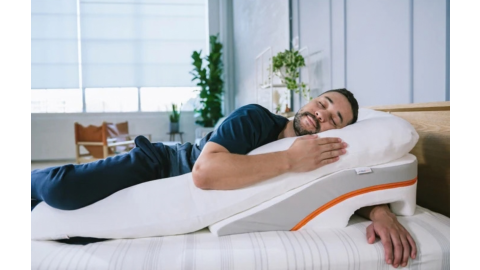
MedCline Relief Systems were developed to address these challenges through therapeutic sleep positioning. Rather than relying on stacks of pillows that can shift throughout the night, MedCline systems use specially designed components to help maintain a supported side-sleeping position while reducing pressure and promoting comfort. Clinical research has shown that elevated and properly positioned sleep can help reduce nighttime reflux symptoms while also supporting individuals dealing with shoulder discomfort.
Performance Health offers four MedCline solutions designed to meet specific patient needs:
Why Sleep Positioning Matters
Many common sleep problems are influenced by body position. People with reflux often experience worsening symptoms when lying flat because stomach contents can more easily travel upward. Healthcare providers frequently recommend sleeping with the upper body elevated and positioned on the left side to help reduce nighttime symptoms. The MedCline Reflux Relief Systems are designed around these principles, utilizing elevated positioning that helps support overnight symptom management.
For individuals with shoulder pain, traditional side sleeping can place significant pressure on the affected shoulder. The MedCline Shoulder Relief Systems utilize a patented arm pocket and positioning design intended to reduce pressure on the downside shoulder while still allowing comfortable side sleeping.
MedCline Reflux Relief Systems – Designed for GERD, Acid Reflux, and LPR
The MedCline Reflux Relief Systems are created for individuals who experience:
- GERD (gastroesophageal reflux disease)
- Acid reflux
- LPR (laryngopharyngeal reflux or silent reflux)
- Nighttime heartburn
- Regurgitation
- Reflux-related sleep disruption
The system elevates the upper body at a therapeutic incline while supporting side sleeping. Unlike traditional wedge pillows that primarily raise the head, the design supports the torso and upper body to help maintain positioning throughout the night.
Each system includes:
- An inclined wedge
- An insert pillow
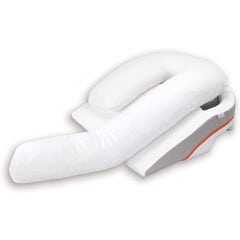
- A therapeutic body pillow
- Removable washable covers
The body pillow provides additional support to help maintain alignment and promote comfortable positioning while sleeping.
Available Options:
The TAA-compliant version is intended specifically for Veterans through Performance Health's Direct to Veterans® program and VA purchasing channels.
MedCline Shoulder Relief Systems – A Sleep Solution for Nighttime Shoulder Discomfort
Shoulder pain often becomes more noticeable at night. Conditions such as rotator cuff injuries, arthritis, bursitis, tendonitis, overuse injuries, nerve impingement, and post-surgical recovery can make finding a comfortable sleep position difficult.
The MedCline Shoulder Relief Systems are designed to help side sleepers reduce pressure on the affected shoulder while maintaining proper alignment. The patented arm pocket creates space beneath the shoulder and arm, helping users rest more comfortably without compressing sensitive structures.
The system includes:
- Therapeutic shoulder wedge
- Insert pillow
- Therapeutic body pillow
- Washable covers
Unlike the reflux system, the shoulder relief version utilizes a lower elevation designed primarily for pressure reduction and side-sleeping comfort rather than reflux management.
Available Options:
The LP Shoulder Relief System is a TAA-compliant solution available through VA facilities and the Direct to Veterans® program, helping eligible Veterans access sleep positioning technology at home.
Tips for Success with a MedCline System
When transitioning to a therapeutic positioning system, some users adapt immediately, while others may need time to become comfortable with a new sleep posture. MedCline recommends experimenting with body pillow placement, arm positioning, and sleep alignment to find the setup that works best for individual needs. Many users require an adjustment period before the new positioning feels natural.
For best results:
- Follow the recommended setup instructions.
- Use all system components together.
- Maintain the intended side-sleeping position.
- Allow time for your body to adapt to the new sleep posture.
- Consult your healthcare provider if you have underlying medical conditions or injuries.
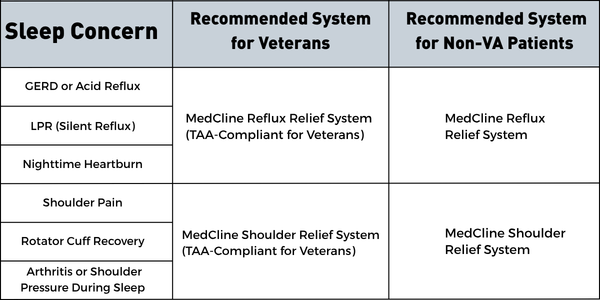
Which MedCline System Is Right for You and Your Patients?
Choosing the right MedCline solution depends on the primary challenge affecting sleep.
Sleep Better with MedCline Relief Systems
Proper sleep positioning can make a meaningful difference for individuals living with reflux symptoms, shoulder pain, and other conditions that interfere with restorative rest. MedCline Relief Systems combine therapeutic positioning, side-sleeping support, and comfort-focused design to help users sleep more comfortably throughout the night.
Whether you're seeking relief from nighttime reflux or persistent shoulder discomfort, Performance Health offers MedCline solutions for both traditional healthcare channels and eligible Veterans through the Direct to Veterans® program.
Shop MedCline Solutions



Medical Disclaimer: The information provided on this site, including text, graphics, images, and other material are for informational purposes only and are not intended to substitute for professional medical advice, diagnosis, or treatment. Always seek the advice of your physician or other healthcare professional with any questions or concerns you may have regarding your condition.