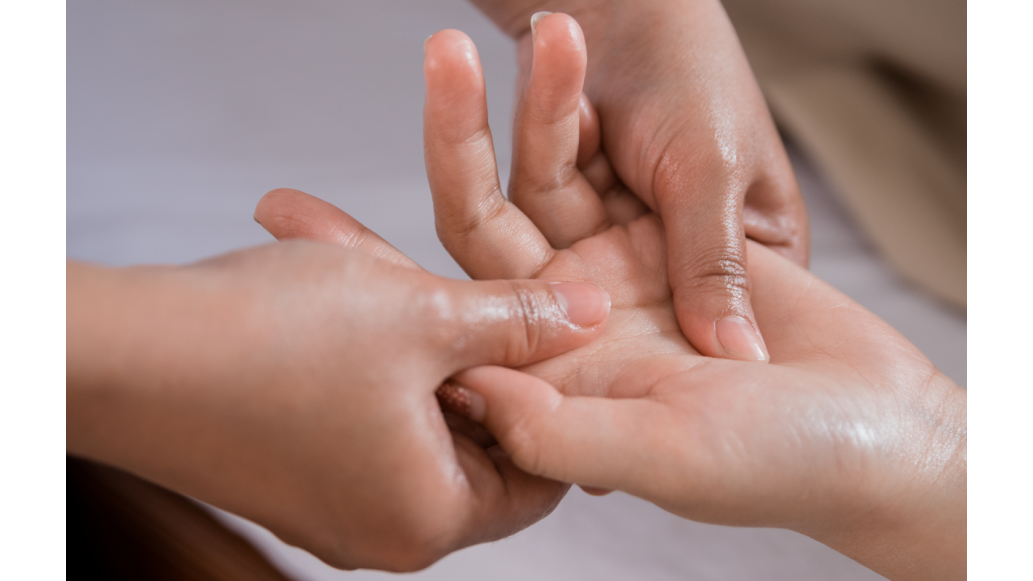
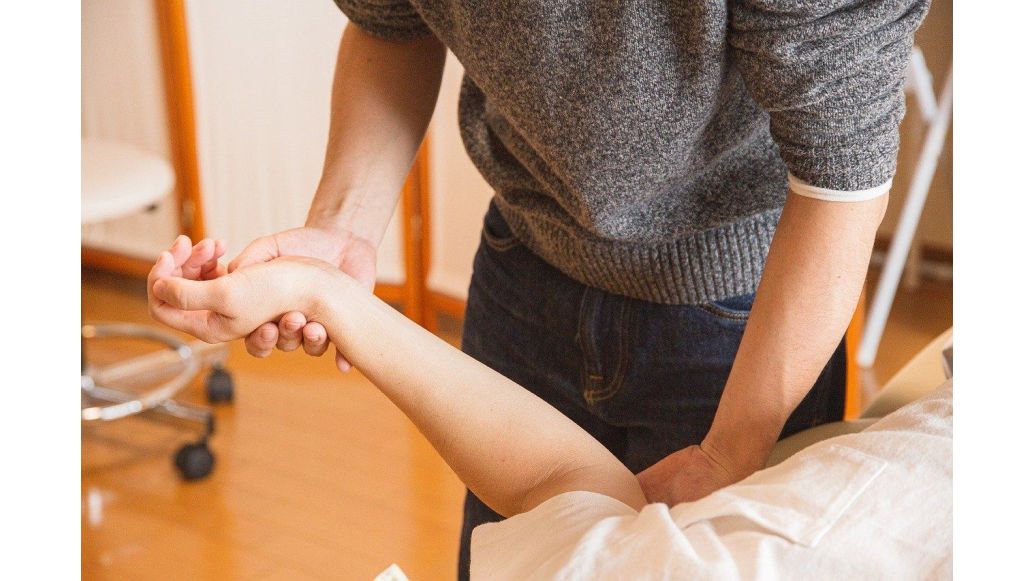
To achieve meaningful, lasting outcomes, clinicians must deploy an orthotic strategy that continues therapeutic mechanical tension long after the active therapy session concludes.
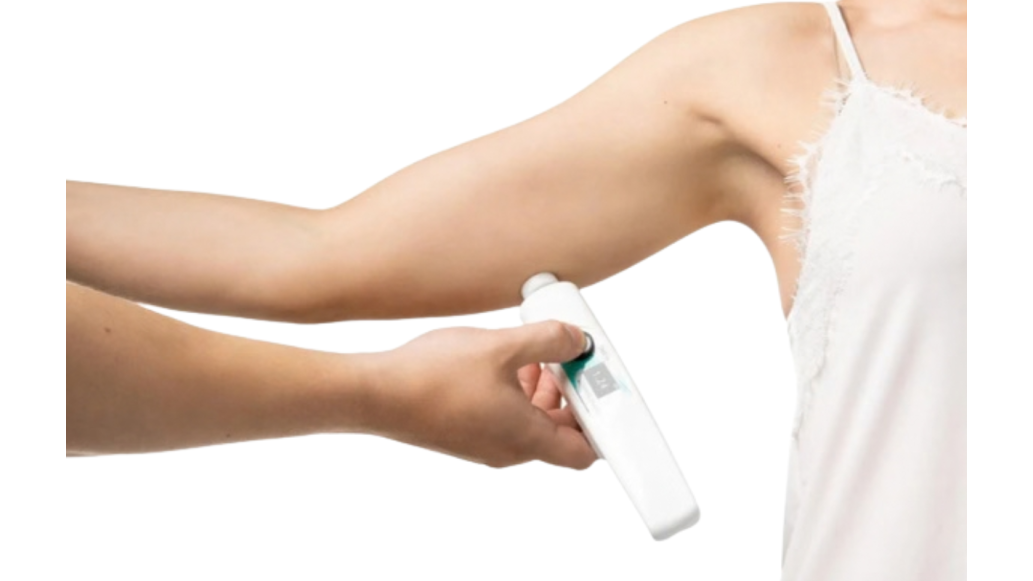
Most lymphedema referrals start the same way. A patient mentions a ring feels tighter, or a sleeve doesn't sit the way it used to, and by the time that gets reported, the fluid has usually been building for weeks.
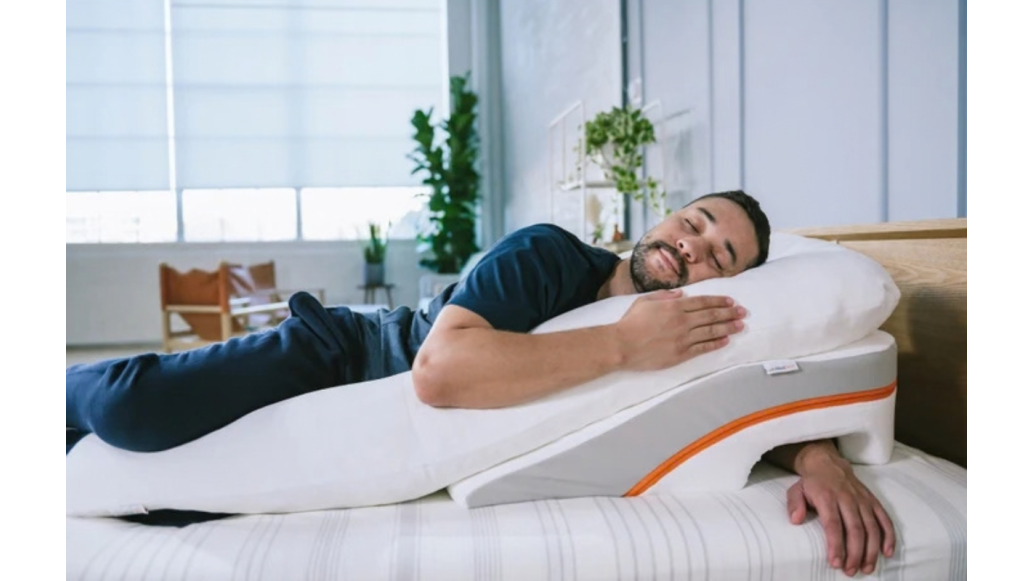
For many people, bedtime does not always bring relief. Individuals living with acid reflux, GERD, LPR (silent reflux), shoulder pain, rotator cuff injuries, arthritis, or nighttime numbness often struggle to find a comfortable sleeping position.
Performance Health supports physical therapists by delivering trusted solutions directly to the point of care. With over 70 years of expertise as your trusted rehabilitation partner, we take pride in our dedication to PTs and the future of the industry.
Aquatic training can be a fun and engaging way to train the body; current reviews suggest that aquatic programs can improve selected balance and functional outcomes in older adults.
As a healthcare professional, your main goal is the safety of your patient. However, have you ever stopped and considered the implications your actions have on your own health?
Finding the right medical supplies should be simple, reliable, and supported by a team that understands the needs of healthcare professionals, inpatient and outpatient care settings and patients.
THERABAND® has been recognized as the #1 clinician recommended and trusted resistance band brand in a recent survey of rehabilitation and healthcare professionals.
Two types of taping, rigid taping and kinesiology taping, have been established and used for years to treat the same symptoms. Which one works better? That’s for you to decide.






 Canada
 UK
UK France
 Australia