Jennifer is a physical therapist with over 30 years of outpatient rehabilitation experience. She currently is the Chief Clinical Officer and Head of Marketing for Therapy Partners Group, and she is an instructor for Structure and Function Education.
For years, home health was my side hustle. I would wrap up a full day in the clinic, load the trunk, and head out for evening visits. My trunk kit got refined the way these things always do. I overpacked, then underpacked, then repacked until every item earned its spot.
Chronic pain is not acute pain that has persisted. It is a distinct clinical entity, and the most consequential error in its management is continuing to treat it as a tissue problem after it has stopped being one.
Device selection is a clinical judgment with biomechanical and behavioral consequences, yet it is routinely executed as a disposition formality in the closing minutes of a visit.
Feeding and dining sit among the most fundamental activities of daily living, and among the easiest to leave out of a plan of care, even when the referral points straight at the hand.
Among the technologies incorporated into fall prevention programs are alarms. When used appropriately, these tools can support caregiver supervision without limiting patient activity or mobility.
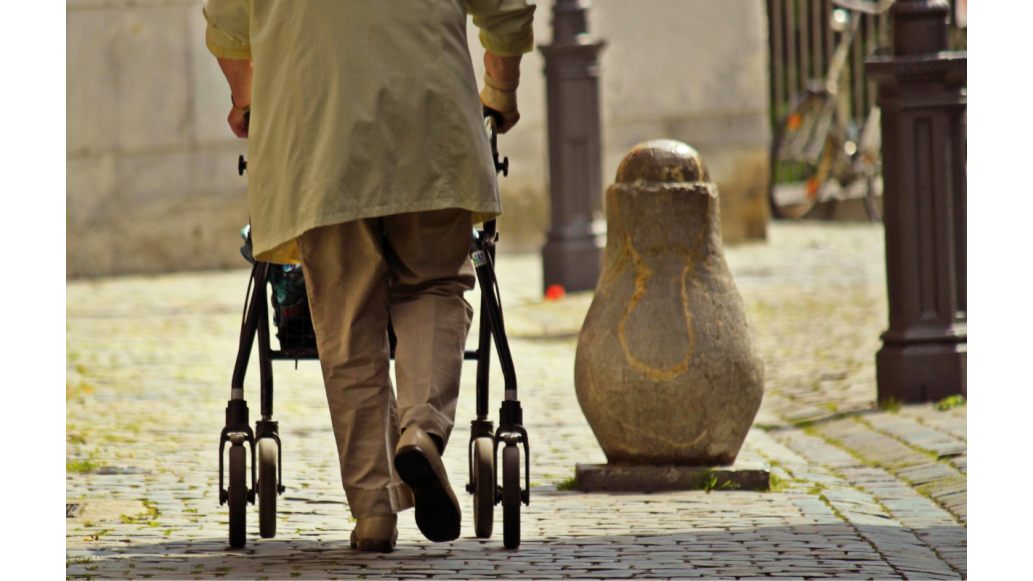
Mobility aids such as rollators play a vital role in supporting patients with heart conditions during orthopedic rehabilitation. These devices enhance safety and symptom management, encouraging greater participation and improved outcomes.
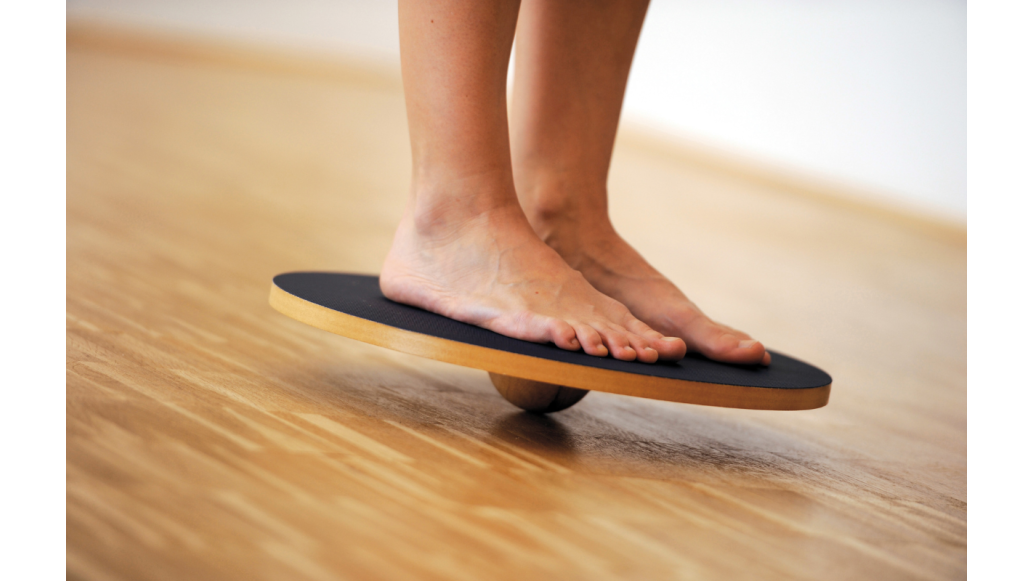
Setting up the right balance training area doesn't have to be complicated or expensive. With the right mix of equipment, you can address virtually every balance challenge your patients face.
I’ve seen the profession transform from one constrained by gatekeeping to one grounded in autonomy and trust. With the release of APTA’s 2025 State of Direct Access report, the data is clearer than ever: direct access is safe, effective, and critical to modern healthcare.
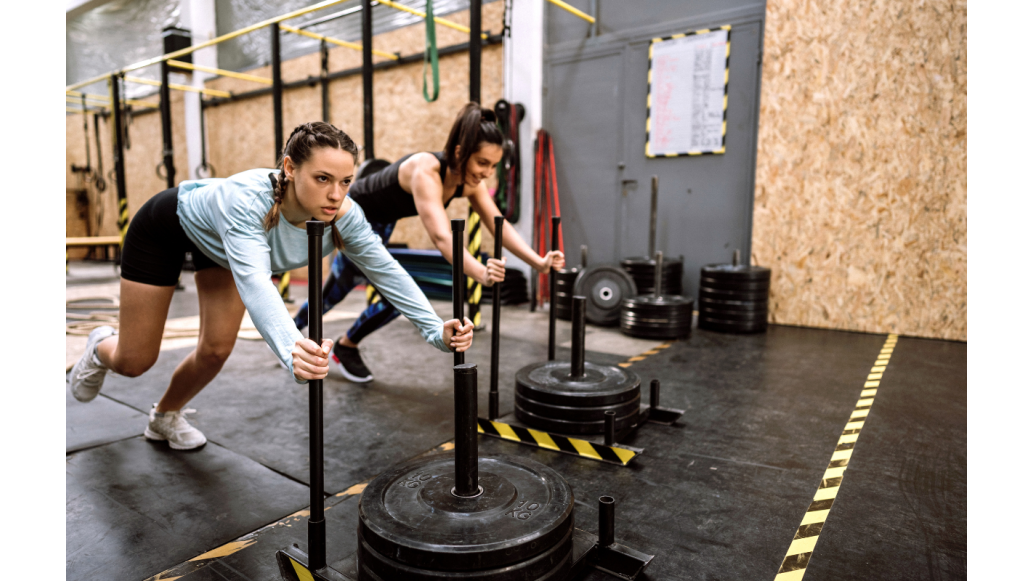
Participation in youth sports continues to grow, offering numerous physical, emotional, and social benefits. However, it also brings an increased risk of sports-related injuries. Physical therapists (PTs) play a crucial role in both preventing these injuries and facilitating safe recovery.







 Canada
 UK
UK France
 Australia