





 Canada
 UK
UK France
 Australia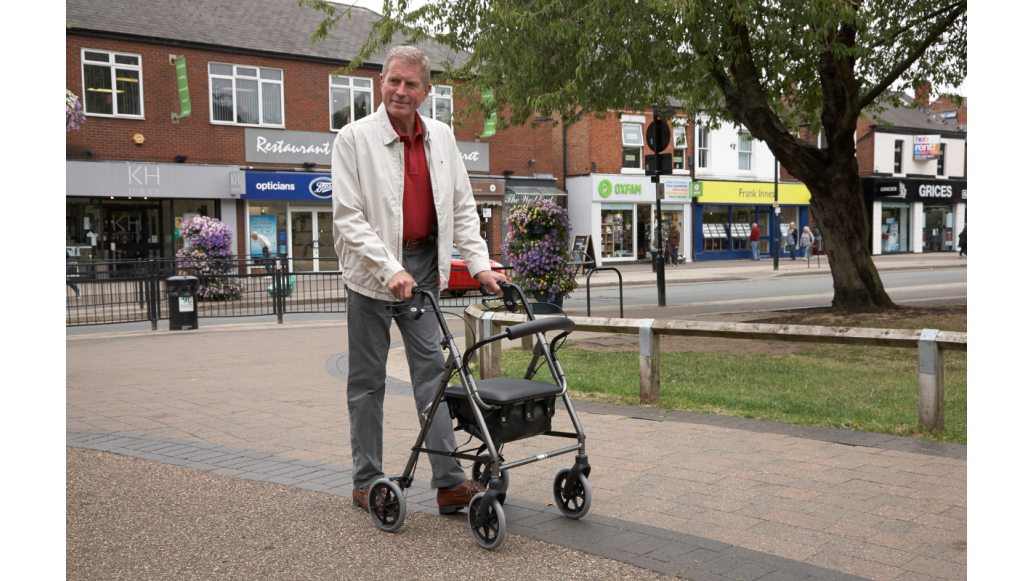
Cardiovascular Comorbidities in the Orthopedic Population
Outpatient orthopedic physical therapists often treat patients who present with cardiovascular comorbidities in addition to musculoskeletal impairments. Conditions such as coronary artery disease, hypertension, peripheral vascular disease, or a history of cardiac procedures may influence tolerance to upright activity, gait training, and participation in exercise-based rehabilitation.
Even when the primary referral is related to an orthopedic diagnosis, patients may demonstrate limited endurance, shortness of breath with activity, fatigue, or dizziness during ambulation. These symptoms may affect walking distance, recovery time between activities, and participation in therapeutic exercise or functional mobility training.
As a result, therapists may need to consider both musculoskeletal and cardiopulmonary factors when progressing activity levels in the outpatient setting. Limitations in activity tolerance may impact participation in walking programs, stair negotiation, or tasks that require sustained standing or mobility.
Activity Tolerance and Functional Mobility
Patients with cardiovascular comorbidities may demonstrate reduced tolerance to walking or standing tasks during rehabilitation. Limitations in aerobic capacity related to deconditioning, medication effects, or post-surgical fatigue may contribute to early onset of fatigue during gait training or functional mobility tasks.
In some cases, patients may limit participation in walking or mobility activities due to symptom onset or instability. Reduced participation in functional mobility tasks may contribute to further deconditioning, which can impact both orthopedic recovery and cardiovascular health.
Supporting participation in graded activity may assist patients in maintaining walking tolerance while progressing toward functional mobility goals. In the outpatient setting, physical therapists may monitor symptom response to activity using measures such as perceived exertion, gait distance, or tolerance to upright positioning.
Patients who demonstrate fatigue or balance deficits during ambulation may require additional support to safely participate in walking programs.
Use of Rollators/Wheeled Walkers During Rehabilitation
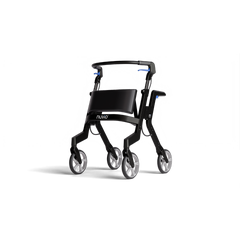
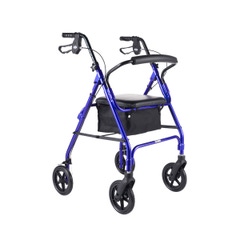
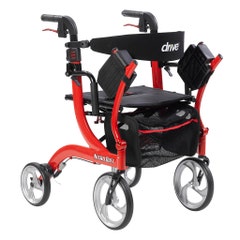
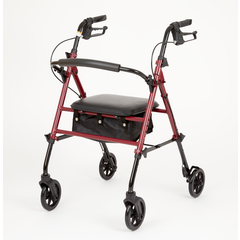
Rollators and other wheeled mobility aids may assist patients in participating in walking and mobility tasks while managing fatigue or balance concerns. Compared to unsupported gait, ambulation with a mobility aid may allow patients to tolerate longer walking distances with improved stability and pacing.
Within an outpatient orthopedic plan of care, use of a rollator or wheeled walker may allow patients to participate in walking programs without exceeding tolerance to upright activity. Access to external support during ambulation may assist with maintaining gait pattern and balance while managing exertional symptoms.
Rollators equipped with built-in seating may allow patients to take rest breaks during clinic-based gait training or home walking programs. This may support participation in activity for patients who require intermittent seated rest due to fatigue or shortness of breath.
Wheeled walkers may also assist with participation in community mobility tasks such as navigating longer walking distances or performing daily activities outside of the home environment. Patients who demonstrate instability during ambulation may benefit from the additional base of support provided by these devices.
Assistive devices may be incorporated into mobility training when patients are unable to safely complete walking tasks without support.



Fall Risk Considerations
Patients with cardiovascular comorbidities may present with increased fall risk related to fatigue, medication effects, or episodes of dizziness during positional changes. Orthostatic hypotension may contribute to instability during sit-to-stand transfers or gait initiation.
In these cases, mobility aids may provide stability during ambulation or transitional movements. Rollators can assist with weight distribution and may reduce reliance on environmental supports such as walls or furniture during gait.
Patients who experience symptoms such as lightheadedness during ambulation may require breaks during walking tasks. Access to a seated surface during mobility training may reduce the likelihood of loss of balance during fatigue or symptom onset.
Device selection should be based on patient presentation, grip strength, endurance, and the patient’s ability to safely manage the mobility aid during functional mobility tasks.
Integration Into Outpatient Orthopedic Practice
Mobility aids may be incorporated into rehabilitation plans to support participation in walking and mobility tasks while managing fatigue or instability. Assistive devices may allow patients to engage in therapeutic activity at a level that is consistent with their tolerance to upright activity.
In outpatient orthopedic settings, rollators and wheeled walkers may be used to facilitate gait training, support energy conservation strategies, and assist with progression toward community ambulation.
Patients transitioning to independent mobility in home or community environments may benefit from mobility aids that support participation in activity while reducing fall risk.
As patients demonstrate improvements in strength, balance, and endurance, mobility aid use may be modified as part of activity progression. In some cases, temporary use of a mobility aid may allow patients to participate in walking programs during rehabilitation while working toward independent ambulation.
More Recommended Mobility Products



References
- Taylor RS, Brown A, Ebrahim S, et al. Exercise-based rehabilitation for patients with coronary heart disease: systematic review and meta-analysis of randomized controlled trials. Am J Med. 2004;116(10):682-692. doi:10.1016/j.amjmed.2004.01.009
- Anderson L, Oldridge N, Thompson DR, et al. Exercise-based cardiac rehabilitation for coronary heart disease. J Am Coll Cardiol. 2016;67(1):1-12. doi:10.1016/j.jacc.2015.10.044
- Forman DE, Arena R, Boxer R, et al. Prioritizing functional capacity as a principal end point for therapies oriented to older adults with cardiovascular disease. Circulation. 2017;135(16):e894-e918. doi:10.1161/CIR.0000000000000483
- Ponikowski P, Voors AA, Anker SD, et al. 2016 ESC guidelines for the diagnosis and treatment of acute and chronic heart failure. Eur Heart J. 2016;37(27):2129-2200. doi:10.1093/eurheartj/ehw128
- Studenski S, Perera S, Patel K, et al. Gait speed and survival in older adults. JAMA. 2011;305(1):50-58. doi:10.1001/jama.2010.1923
Medical Disclaimer: The information provided on this site, including text, graphics, images, and other material are for informational purposes only and are not intended to substitute for professional medical advice, diagnosis, or treatment. Always seek the advice of your physician or other healthcare professional with any questions or concerns you may have regarding your condition.