To achieve meaningful, lasting outcomes, clinicians must deploy an orthotic strategy that continues therapeutic mechanical tension long after the active therapy session concludes.
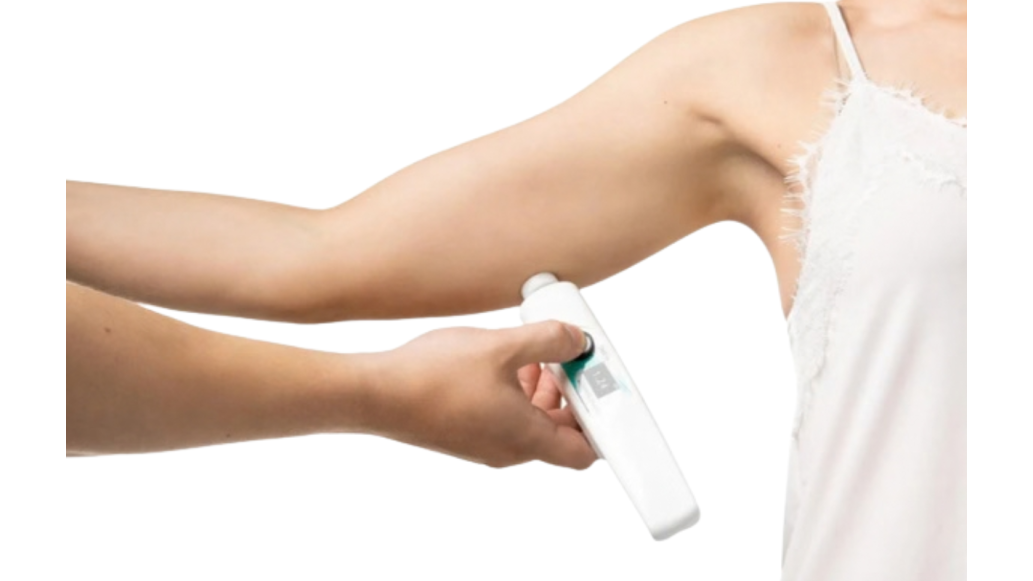
Most lymphedema referrals start the same way. A patient mentions a ring feels tighter, or a sleeve doesn't sit the way it used to, and by the time that gets reported, the fluid has usually been building for weeks.
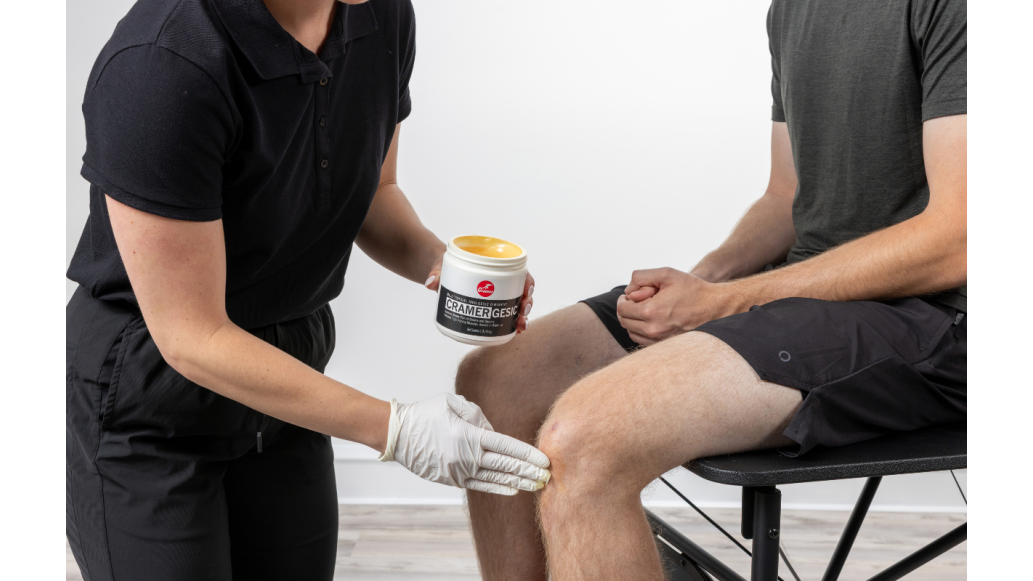
From topical pain relief products to massage creams and skin care treatments, the right topical solution can help support patient comfort, recovery, and daily care.
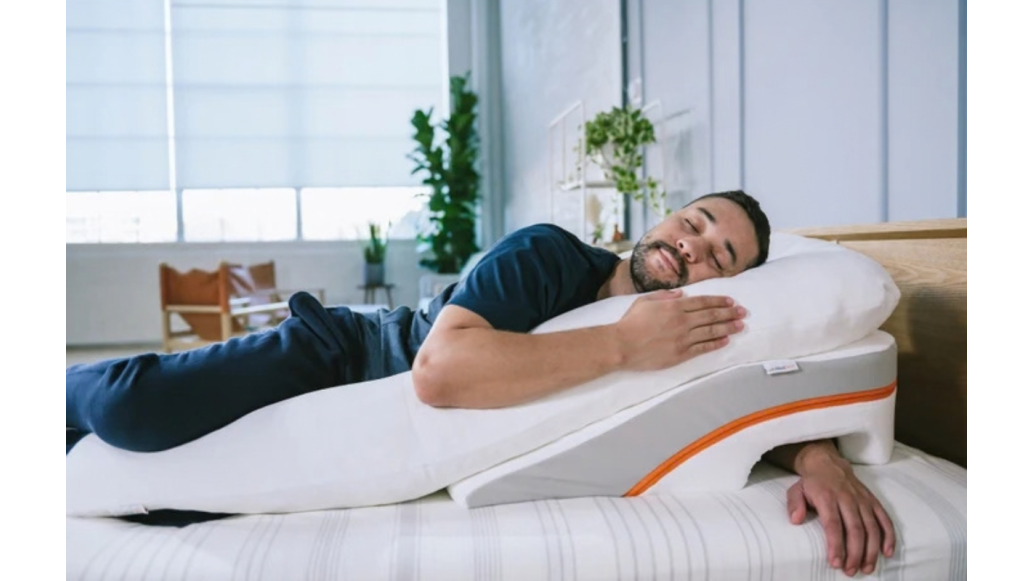
For many people, bedtime does not always bring relief. Individuals living with acid reflux, GERD, LPR (silent reflux), shoulder pain, rotator cuff injuries, arthritis, or nighttime numbness often struggle to find a comfortable sleeping position.
Aquatic training can be a fun and engaging way to train the body; current reviews suggest that aquatic programs can improve selected balance and functional outcomes in older adults.
Two types of taping, rigid taping and kinesiology taping, have been established and used for years to treat the same symptoms. Which one works better? That’s for you to decide.
Urinary incontinence affects millions of people across the lifespan and is far more than an issue of comfort or convenience. For rehabilitation professionals, effective incontinence management is essential.
Medical professionals want to get their patients back home and resting easy almost as much as their patients want out of the hospital. A little planning and the right tools and equipment can get patients out of the hospital, back in their recliner.






 Canada
 UK
UK France
 Australia