




 Canada
 UK
UK France
 Australia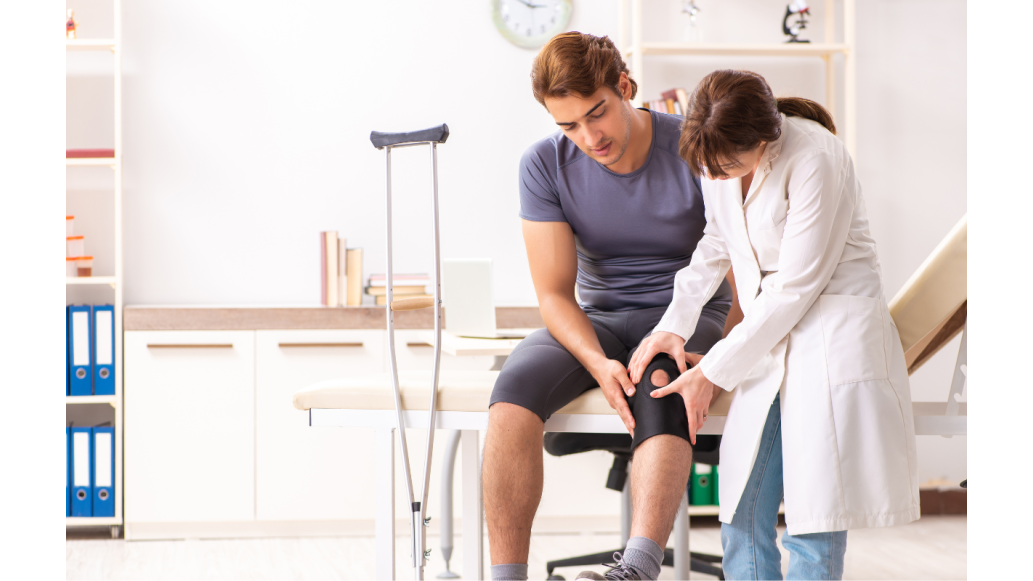
What do surgery and climbing Mt. Everest have in common? They can both be scary and intimidating, but the best way to achieve success at both is to have a plan! For many people, surgeries like joint replacements and rotator cuff repairs are put off because people are nervous about the procedure and recovery.
Physical therapists hear over and over again “It’s not the right time” or “I have to get through this vacation/holiday/event first and then I’ll think about it”. While surgery can occasionally come with unexpected complications, the best way to have a positive experience is to gain some knowledge on the procedure, preparing both mentally and physically, and having a post-surgical plan and team to get you back on your feet and working towards getting back to your normal day to day feeling better than before surgery!
Key Highlights:
- Being prepared, asking questions and having a plan can take some of the fear out of the surgical process
- Prehab is a great way to improve strength and mobility prior to surgery with exercises both in the clinic and in the home
- Movement is imperative to recovery and is a top priority following recovery with focus on the right movement while following all surgical precautions and post operative instructions
Pre-op Planning and Preparation
A successful surgery starts well before putting on those grippy socks and gown and stepping into the operating room. Pre-operative physical therapy, commonly known as “prehab” is aimed at improving overall strength and endurance as well as providing education on what to expect prior to and following the procedure.
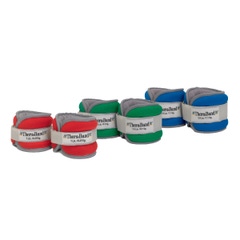
Prehab is like your pre-climb training, making sure you are in the best shape you can be and have the necessary equipment to ensure a successful journey. There are many things you can do to help improve overall strength and mobility prior to surgery, including maximizing strength and mobility throughout your entire body. Utilizing THERABAND ankle and wrist weights while doing your normal everyday activities like walking the dog, climbing stairs, and cleaning the house can help improve both upper and lower body strength.
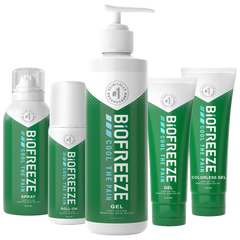
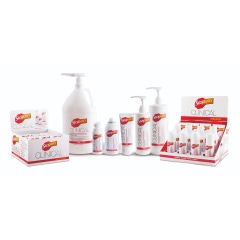
Pain can be a challenge many patients face during even seemingly small, everyday tasks prior to their operation. Using Biofreeze or Stopain can provide some temporary relief and help manage pain prior to surgery. Taking small steps like these in the weeks and months leading up to the operation will not only help take some of the fear and anxiety out of the experience but also enable you undertake surgery knowing you are already ahead of the game.
Post-op Expectations, Rehab and Recovery
Once the anesthesia wares off, you want to hit the road to recovery ASAP, although it often feels hard to get going. Resting is definitely recommended but so is movement, and a surprising fact is that despite the common feeling that movement will cause pain it often actually makes you feel better!
Starting off slow and following all your doctor’s advice and precautions is a must, but the first step is getting out of bed. Even just getting up and getting to the couch will start making you feel more like yourself. Support pillows like the Semi Roll Pillow or the Sammons Preston Half Lumbar Roll can assist in finding a comfortable position, whether placed under knees or ankles, behind your back or under your arm. It can also be helpful in finding a comfortable position to be able to get some sleep which is paramount to a successful healing journey.
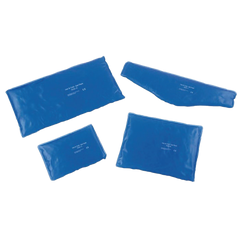
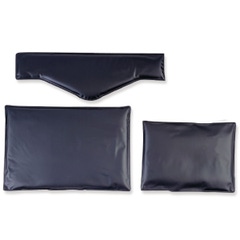
A common side effect of surgery is discomfort and swelling. Using Performa Hot and Cold Gel Packs or Sammons Preston Cold Packs can help decrease both of these symptoms. Remember, no pain no gain is not the mantra we blindly follow. We expect some discomfort along the way but being prepared with some tools to help decrease that discomfort will keep you moving toward your ultimate goals.
Recap
While fear, uncertainty and anxiety are common feelings surrounding a surgical experience, they can be reduced with a little planning and education! Surgery is the peak of the mountain, but the before and after are what shape the outcome. Working with a physical therapist can give some peace of mind as to the entire recovery process and guidance in how to gain strength and mobility prior to the operation.
Whether your goals are walking to the mailbox, around the neighborhood or to the summit of the mountain, the roadmap to success includes having a clear plan, having the right tools for success both in and out of the clinic and having a team in your corner that will cheer you on through the entire climb!
Reccommended by the Clinician



More Recommendations from Performance Health


Medical Disclaimer: The information provided on this site, including text, graphics, images, and other material are for informational purposes only and are not intended to substitute for professional medical advice, diagnosis, or treatment. Always seek the advice of your physician or other healthcare professional with any questions or concerns you may have regarding your condition.