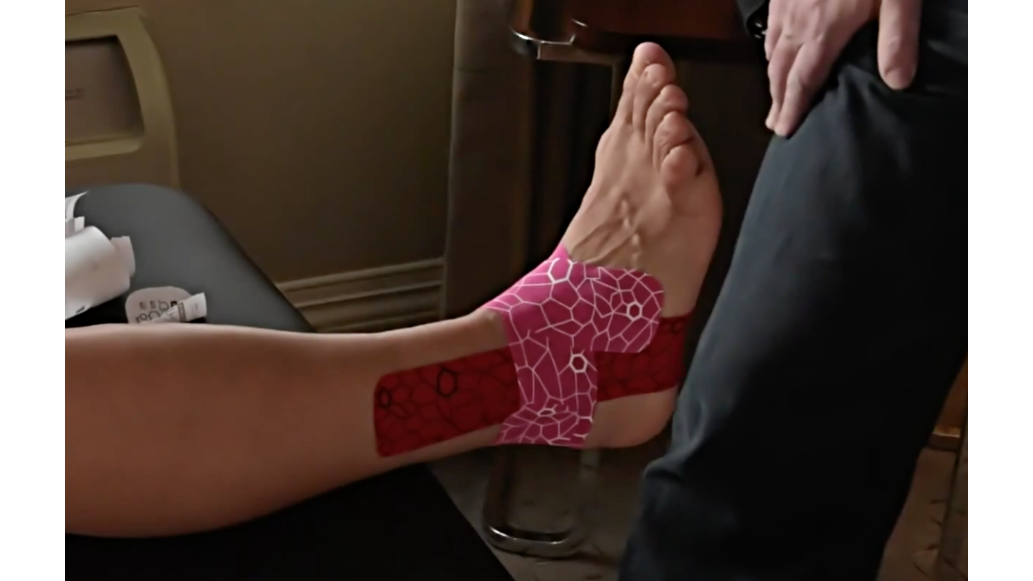
Ankle sprains: the seeming right-of-passage for athletes in sports that involve jumping and quick lateral movements. Ankle pain is a huge deterrent of athletic performance and involves immediate intervention.
While many individuals recover with traditional rehabilitation following an injury or surgery, others require more intensive, job-specific rehabilitation before they can safely resume their work responsibilities.
For years, home health was my side hustle. I would wrap up a full day in the clinic, load the trunk, and head out for evening visits. My trunk kit got refined the way these things always do. I overpacked, then underpacked, then repacked until every item earned its spot.
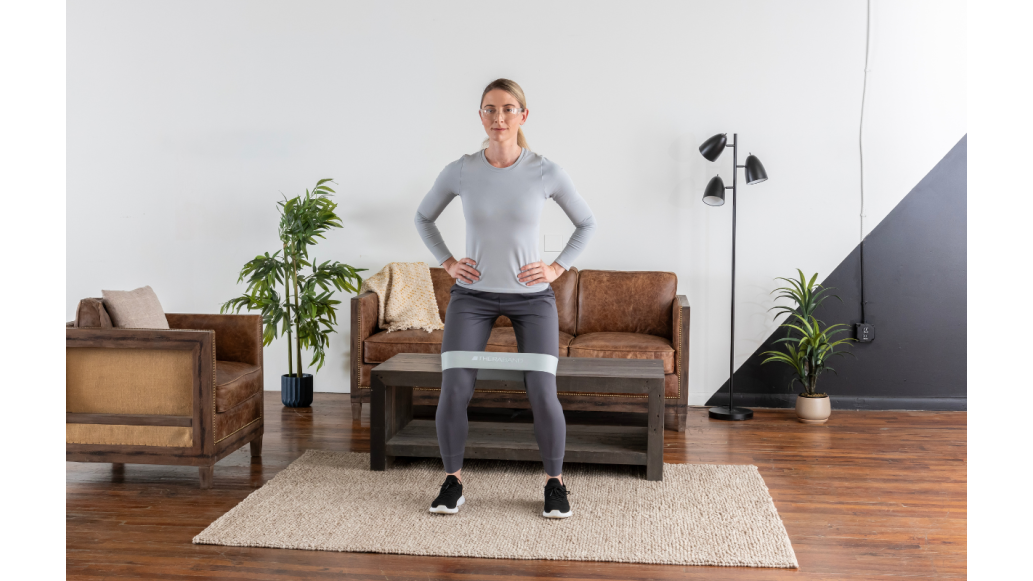
Exercise is not a cure for Alzheimer’s disease, but regular physical activity is associated with better overall brain health and helps support cognition, mobility, mood, cardiovascular health, and activities of daily living.
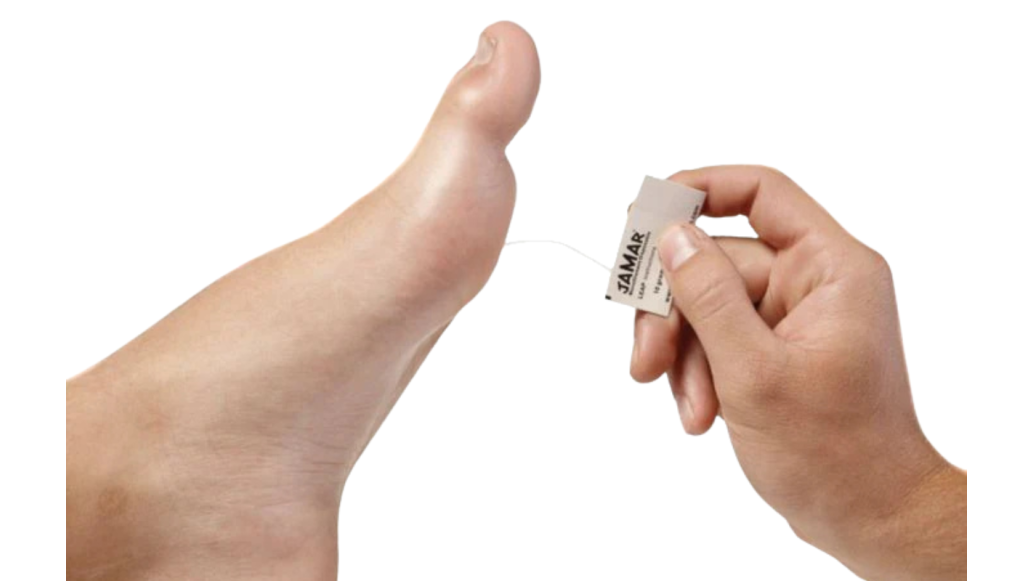
Monofilaments are simple, non-invasive diagnostic tools used to help assess sensory perception and peripheral nerve function. In clinical settings, they are commonly used during diabetic foot screenings.
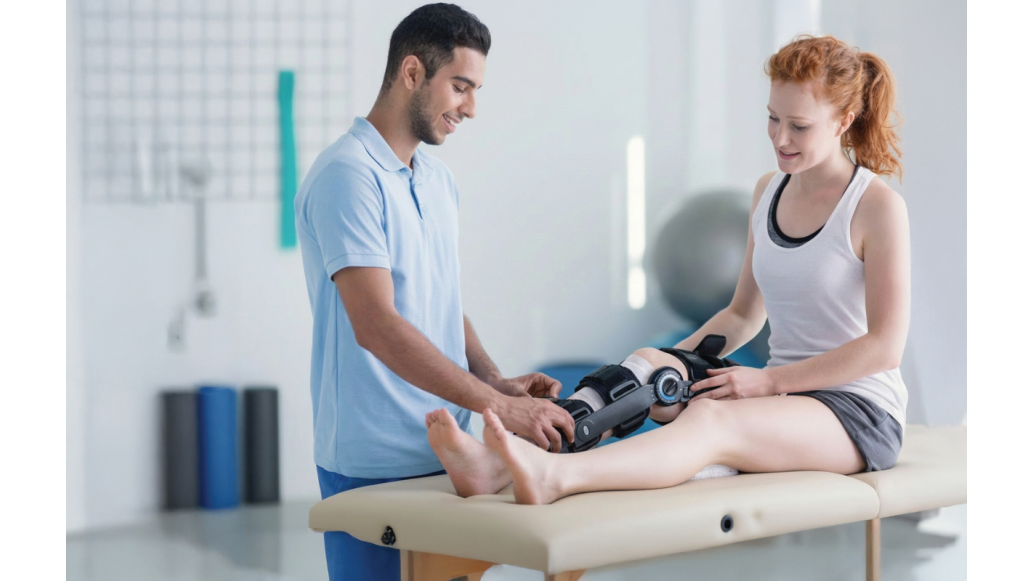
Orthopedic soft goods, encompassing braces, supports, and orthotic solutions, play a critical role in modern musculoskeletal care. These devices support clinical decision-making, enhance patient outcomes, and contribute to more efficient care delivery.
The patient is a 17-year-old high school athlete who sustained a partial avulsion injury to the distal portion of the ulnar collateral ligament (UCL) while playing summer travel baseball.
When starting to feel better after surgery and trying to return to normal life, it can be challenging to figure out how to not get re-injured, cause pain, or stay within a post-operative protocol.
Chronic pain is not acute pain that has persisted. It is a distinct clinical entity, and the most consequential error in its management is continuing to treat it as a tissue problem after it has stopped being one.







 Canada
 UK
UK France
 Australia