





 Canada
 UK
UK France
 Australia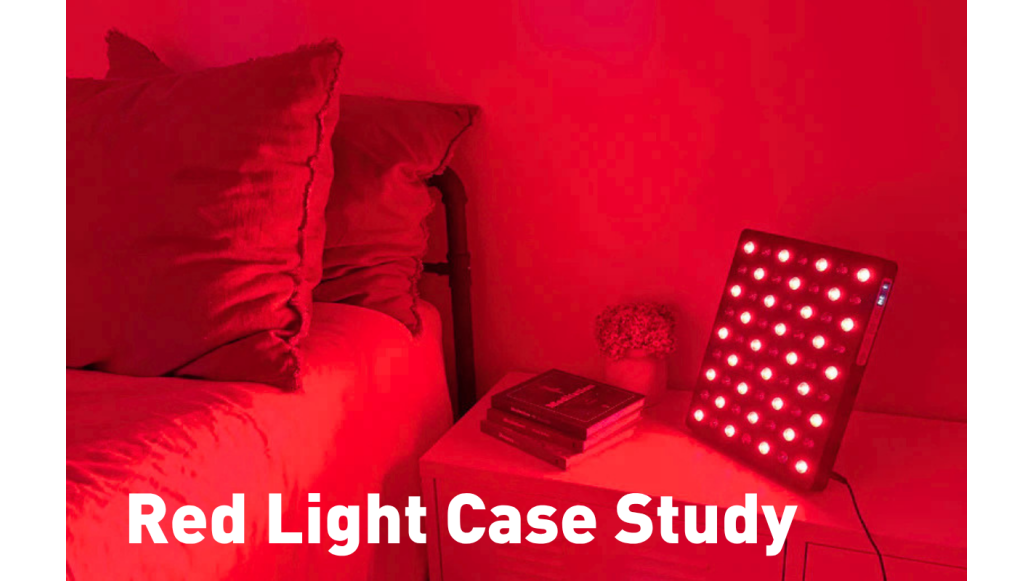
Patient History
The patient is a 21-year-old collegiate football player with a 3–4 year history of chronic Achilles tendon pain. He is currently playing at his third college program and has received treatment for this condition at each institution.
He does not recall a specific mechanism of injury, but reports that he experiences consistent pain with sprinting and jumping activities. His symptoms are most severe upon waking in the morning and typically get worse approximately 60–90 minutes into football practice.
Treatment History
The patient has undergone a wide variety of treatments over the years, including pain medications, NSAIDs, a steroid pack, rest, IASTM, cupping, eccentric loading exercises, stretching, a PRP injection, chiropractic care, and footwear modifications.
Despite these interventions, his pain typically increased to 6/10 during football training activities, often preventing him from finishing his workouts. He has a negative mindset regarding his pain due to the fact that nothing has worked for him previously.
Current Treatment
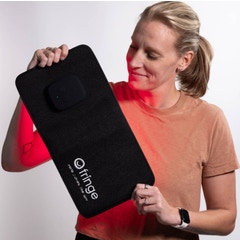
Red light therapy was applied to the Achilles tendon for 20 minutes daily at the conclusion of each therapy session. His treatment sessions include soft tissue work (IASTM, joint mobilization, stretching, etc), trunk stability training, and progressive loading. Blood flow restriction (BFR) training was also incorporated 2–3 times per week.
Within 3–4 weeks, the patient’s pain decreased to a peak of 2–3/10, allowing him to return to full football activities without any restrictions. Following this initial improvement, BFR was discontinued, and formal therapy sessions were gradually reduced. However, the patient chose to continue daily red light therapy due to its effectiveness in managing pain and inflammation.
After 5 months of consistent treatment including red light therapy, he reports being completely pain-free and is performing at a high level in NCAA FBS competition.

Discussion
The patient initially expressed skepticism with his new treatment plan due to the lack of success with prior approaches. Despite his criticism, the patient agreed to try a new approach and the combination of consistent red light therapy and BFR training, along with soft tissue work, appeared to provide a meaningful change in his condition.
The new treatment approach allowed red light therapy to manage his pain and inflammation and improve his tissue quality, while the BFR training improved the tensile properties of the tendon. The combination treatment increased the overall resilience of the Achilles tendon.
The patient reports significant satisfaction with this approach, as it enabled him to compete without pain for the first time during his collegiate career.
Summary of Improvements Over 5 Months
- Reduction in pain from 6/10 to 0/10 during all football activities
- Improved ankle mobility
- Full return to high-level football without limitations
- Enhanced mood and mental well-being due to restored ability to compete
Conclusion
Red light therapy can serve as a valuable component of a comprehensive treatment strategy for chronic Achilles tendon pain, particularly when combined with strength and mobility training in a high-level collegiate athlete.
This is the seventh in a series of articles covering clinical applications of red light therapy. The full series has been published; view all the articles with the links below:
- Red Light Therapy in Your Clinic: What is RLT?
- Red Light Therapy Tools to Use in Clinical Settings
- Practical Application of Red Light Therapy in Your Clinic
- The Financial Role of Red Light Therapy in Your Clinic
- Stacking Red Light Therapy with Other Modalities
- Case Study: Red Light Therapy for Neuropathy
- Case Study: Red Light Therapy for Achilles Tendonitis
- Case Study: Red Light Therapy for a Post-Operative Elbow Patient
Keep and eye on our article homepage for more series like this one!
Medical Disclaimer: The information provided on this site, including text, graphics, images, and other material are for informational purposes only and are not intended to substitute for professional medical advice, diagnosis, or treatment. Always seek the advice of your physician or other healthcare professional with any questions or concerns you may have regarding your condition.