




 Canada
 UK
UK France
 Australia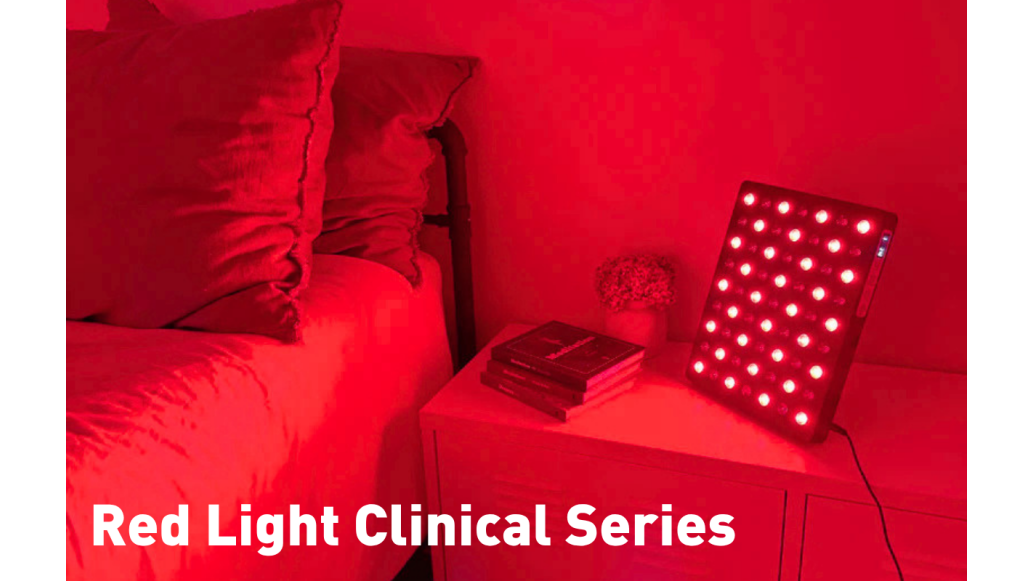
Red light therapy is available in several different formats, each offering unique benefits depending on the patient and clinical situation. Selecting the appropriate device can significantly influence both patient satisfaction and treatment outcomes.
Red Light Panels
For many clinicians, red light panels are their first introduction to LED-based red light therapy. They are widely accessible, highly versatile, and visually appealing—especially in modern clinical or wellness settings.
Panels emit light at a higher intensity as compared to red light wraps, so anyone using a panel must keep in mind that they are designed to be place 6-12 inches away from the skin to mitigate any skin irritation risk.
Panels are useful for treating larger regions of the body, making them ideal for general recovery and athletic performance applications. They are also well-suited for clinical environments where cleaning anything that directly contacts the skin is a concern. Additionally, panels allow clinicians to perform other treatments—such as dry needling, IASTM, cupping, or massage—at the same time as their red light therapy. Stacking modalities in this way allows you to optimize outcomes by taking advantage of multiple mechanisms simultaneously and can also save time.
Red Light Wraps
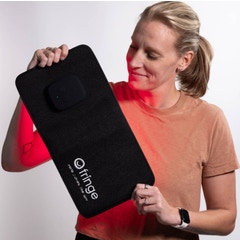
Red light wraps are designed to be placed directly on the skin. They deliver light at a lower intensity directly to the skin to achieve the desired therapeutic dose. Wraps are portable, easy to use, safe, and cost-effective.
Fringe red light wraps are specifically designed with a 2:1 ratio of near infrared to red light. Near infrared light penetrates much deeper than red light, allowing for penetration into tissues such as ligaments, tendons, bones, and muscles. The 2:1 ratio is ideal for clinics that are treating musculoskeletal injuries.
Red light wraps are available in multiple sizes and configurations to suit different treatment needs:
- Regular Wrap: This is a highly versatile option that can be used on nearly any part of the body. It is well-suited for a wide range of conditions and is an economical choice for both clinics and patients.
- XL Wrap: A larger version of the standard wrap, offering increased coverage. It is particularly useful for areas like the spine, shoulders, and hips.
- Multi-Joint Wrap: Designed for joints such as the ankles, knees, and elbows, this wrap includes Velcro straps to ensure a secure fit—even during movement. It also features built-in vibration, which can enhance pain relief.
- Head Wrap: Created to support brain health, the head wrap is used for conditions such as headaches, concussions, multiple sclerosis, Parkinson’s disease, autism, anxiety, and depression. It utilizes three wavelengths (650nm, 850nm, and 1050nm) to help ensure light penetration through the skull and into brain tissue.
- Cramer Wrap: The Cramer wrap is the same size and set up as the regular wrap, but is made of medical grade silicone. This version of the red light wrap is the best for clincs because of its ability to be cleaned easily and it overall durability.
Face Mask
The red light therapy face mask integrates both red and blue wavelengths of light to treat a variety of skin conditions. Red light supports collagen production and overall skin health, while blue light has antimicrobial properties that can help address acne. The mask is designed to safely deliver light to the face without causing irritation to the eyes.
Neck Wrap
The neck wrap targets tissues in the cervical region, including both superficial structures and deeper areas such as the thyroid gland. By supporting thyroid function, this device may contribute to a variety of broader health benefits.
Pelvic Wand
The pelvic wand is one of the more innovative tools in the Fringe lineup. It is primarily designed for women’s pelvic health and can assist in addressing conditions associated with pelvic pain and chronic infections. The device emits both red and blue light and includes a vibration feature to further support pain reduction.
Conclusion
Clinicians have access to a wide range of red light therapy devices, each suited to different treatment goals and body regions. Choosing the right option depends on factors such as the condition being treated, the clinician’s preferred approach, and budget considerations. With the variety of tools available, there is an effective red light therapy solution for virtually every patient scenario.

This is the second in a series of articles covering clinical applications of red light therapy. The full series has been published; view all the articles with the links below:
- Red Light Therapy in Your Clinic: What is RLT?
- Red Light Therapy Tools to Use in Clinical Settings
- Practical Application of Red Light Therapy in Your Clinic
- The Financial Role of Red Light Therapy in Your Clinic
- Stacking Red Light Therapy with Other Modalities
- Case Study: Red Light Therapy for Neuropathy
- Case Study: Red Light Therapy for Achilles Tendonitis
- Case Study: Red Light Therapy for a Post-Operative Elbow Patient
Keep and eye on our article homepage for more series like this one!