





 Canada
 UK
UK France
 Australia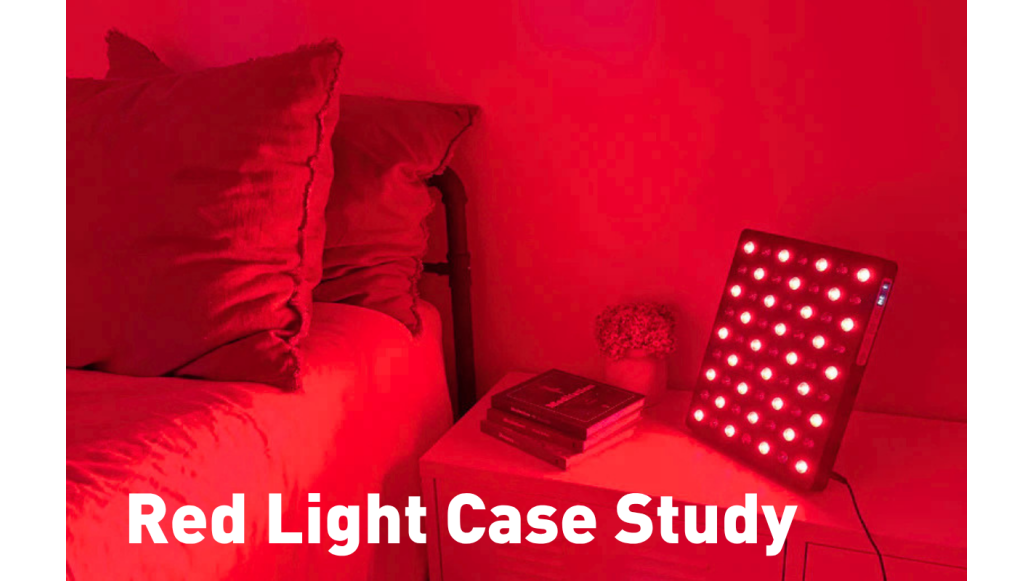
Patient History
The patient is a 17-year-old high school athlete who participates in multiple sports. He initially sustained a partial avulsion injury to the distal portion of the ulnar collateral ligament (UCL) while playing summer travel baseball. As a catcher, he experienced pain and mechanical symptoms after attempting a throw to second base.
At the time of injury, his pain was rated 7/10. Clinical findings included tenderness over the distal UCL and muscle spasm in the forearm’s common flexor group. He also reported neurological symptoms consistent with irritation of the ulnar nerve while throwing, likely indicating an unstable elbow joint under a valgus load.
Treatment History
The patient was first managed conservatively, with a period of rest and avoidance of throwing for approximately four months. He gradually returned to weightlifting and football activities within 4–8 weeks, using pain as a guide for progression.
During the following spring high school season, he re-injured the elbow while making a throw from the outfield to home plate. This led to surgical intervention, consisting of a UCL repair with internal bracing, along with an ulnar nerve transposition.
Current Treatment
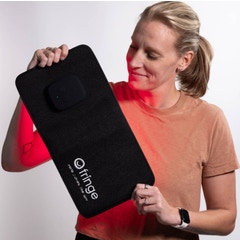
Red light therapy was introduced approximately 24 hours after surgery with the goals of reducing pain, limiting swelling, and promoting tissue healing. The patient required minimal pain medication initially and discontinued it completely within 48 hours of surgery.
Daily red light therapy treatments were continued for about four weeks, alongside progressive rehabilitation including range of motion, strength training and functional activities.

Discussion
The patient recovered well considering his age, activity level and the complexity of the surgical intervention. Pain levels remained low throughout rehabilitation, and the surgical incision healed well. When the patient reached 3 months post-surgery, he resumed all contact activities with his high school football team.
He continues to report positive outcomes and is expected to begin a structured throwing progression at approximately five months post-surgery. During the football season, he continues to use red light therapy as needed to manage soreness.
Summary of Improvements Over 3 Months
- Reduced post-operative pain levels
- Efficient healing of the surgical incision
- Improved regulation of inflammation and swelling
- Return to full football participation without pain at 3 months
- Increased confidence and improved mental approach to sport
Conclusion
Red light therapy appears to be an effective adjunct for managing pain while supporting tissue healing within a comprehensive post-operative rehabilitation program, particularly in a young, active athletic population.
This is the last in a series of articles covering clinical applications of red light therapy. View all the articles with the links below:
- Red Light Therapy in Your Clinic: What is RLT?
- Red Light Therapy Tools to Use in Clinical Settings
- Practical Application of Red Light Therapy in Your Clinic
- The Financial Role of Red Light Therapy in Your Clinic
- Stacking Red Light Therapy with Other Modalities
- Case Study: Red Light Therapy for Neuropathy
- Case Study: Red Light Therapy for Achilles Tendonitis
- Case Study: Red Light Therapy for a Post-Operative Elbow Patient
Keep and eye on our article homepage for more series like this one!
Medical Disclaimer: The information provided on this site, including text, graphics, images, and other material are for informational purposes only and are not intended to substitute for professional medical advice, diagnosis, or treatment. Always seek the advice of your physician or other healthcare professional with any questions or concerns you may have regarding your condition.