





 Canada
 UK
UK France
 Australia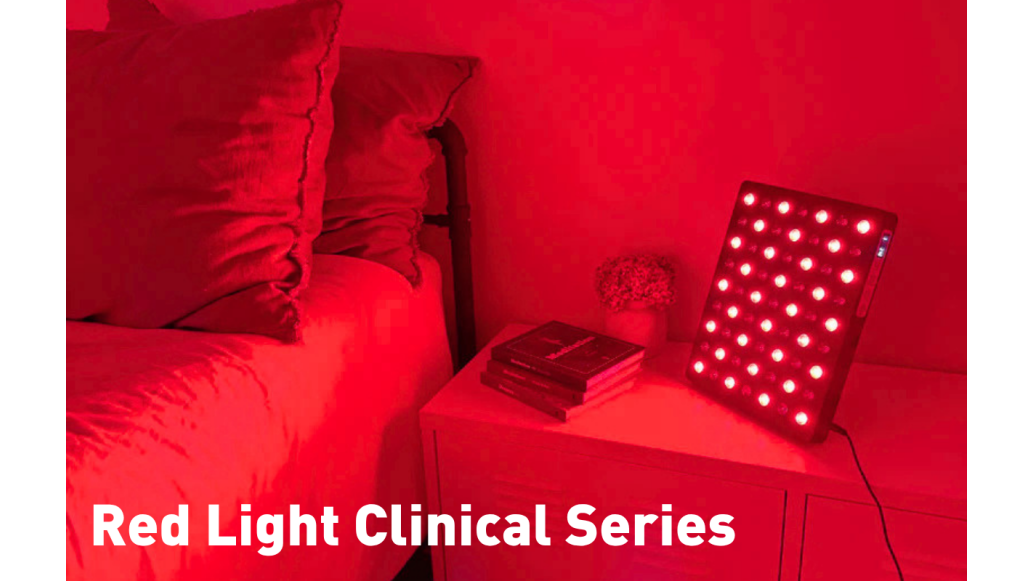
Red light therapy is proving to be a powerful and effective modality that can be used both clinically and at home for patients. Finding good ways to integrate red light therapy into a clinical flow is essential for positive outcomes. Time is our most valuable commodity, so anything that can be done to streamline treatments is attractive to both the clinician and patient. Red light therapy can be used in conjunction with other tools and training methods which allows multiple healing mechanisms to take place simultaneously, maximizing outcomes and streamlining the therapy process.
There are a couple of ways to effectively utilize red light therapy in a clinical setting. One option is to utilize red light therapy simultaneously with other tools. The easiest way to do this is to utilize a red light panel. Panels are great in the clinic because they are designed to deliver the optimal intensity of light at a distance of approximately 6-12 inches away from the skin. This allows for the delivery of red light therapy without worrying about the transmission of germs or bacteria from the patient to the red light unit.
Panels can be used in conjunction with IASTM, cupping, dry needling, manual massage and more by setting the red light panel up in such a way that it shines over top of the treatment area while other treatments are being performed. This allows red light therapy to be delivered at the exact same time as other training tools and methods.
We know that red light therapy accelerates cellular metabolism which typically leads to improved tissue healing. It has also been shown to regulate inflammation and oxidative stress. Adding these properties to the whatever mechanical and neurological mechanisms that clinicians are doing with their other tools in clinic creates a unique and powerful healing environment that typically results in extremely powerful patient outcomes. It also maximizes treatment time, which is extremely important for both the clinician and patient.
Another option for delivering red light therapy in clinic is with red light wraps. Wraps are becoming extremely popular because of their ease of use, safety profile, portability and versatility. Wraps are designed to be used directly against the skin and usually utilize Velcro straps to hold them in place.
Red light wraps are designed deliver the same healing properties as panels, but if they are going to be used in the same treatment session as things like cupping, IASTM, or dry needling, each tool will need to be staggered as they won’t be able to be administered simultaneously. This is due to the fact that wraps must be applied directly to the skin in order to deliver the proper intensity of light. Any space between the wrap and the skin will diminish the intensity of light to the point where you won’t reach a minimal effective does.
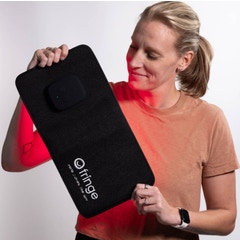

A staggered approach means that you will perform your dry needling session (as an example) and then once the needles are out, you would apply the red light wrap (or vice versa). A staggered approach will deliver great patient outcomes, it will increase the overall treatment time, which for some clinicans and patients, is a deal breaker.
With that being said, wraps offer some advantages that panels cannot. Wraps can be applied to the body during light exercise or even BFR training by using the Velcro straps to hold them in place. This allows for pain and inflammation control while performing corrective exercise to make long lasting permanent changes to the nervous system. This approach does maximize treatment time and efficiency.
Overall, clinicians have access to a variety of training tools and modalities to create a healing environment for their patients. But, it should be recognized that time is valuable for everyone involved. With some creativity and understanding of the physiology and mechanisms offered by each training tool, modalities can be stacked on top of each other within a therapy session to maximize both outcomes and time.
This is the fifth in a series of articles covering clinical applications of red light therapy. The full series has been published; view all the articles with the links below:
- Red Light Therapy in Your Clinic: What is RLT?
- Red Light Therapy Tools to Use in Clinical Settings
- Practical Application of Red Light Therapy in Your Clinic
- The Financial Role of Red Light Therapy in Your Clinic
- Stacking Red Light Therapy with Other Modalities
- Case Study: Red Light Therapy for Neuropathy
- Case Study: Red Light Therapy for Achilles Tendonitis
- Case Study: Red Light Therapy for a Post-Operative Elbow Patient
Keep and eye on our article homepage for more series like this one!
Medical Disclaimer: The information provided on this site, including text, graphics, images, and other material are for informational purposes only and are not intended to substitute for professional medical advice, diagnosis, or treatment. Always seek the advice of your physician or other healthcare professional with any questions or concerns you may have regarding your condition.