





 Canada
 UK
UK France
 Australia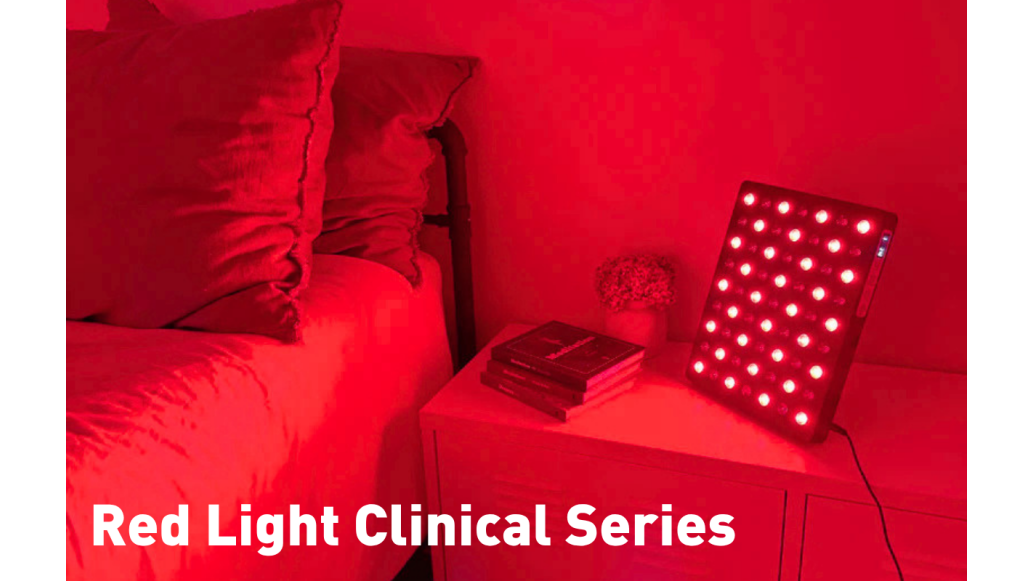
Red light therapy has become increasingly popular for athletes and general population. Recovery centers are opening in communities nationwide, devices like panels and wraps are widely available online, and social media frequently showcases individuals surrounded by glowing red light as a solution for various conditions. This growing popularity naturally raises an important question: does red light therapy really work?
Red Light 101
The scientific term for red light therapy is photobiomodulation. It refers to a non-thermal treatment that uses red and near-infrared wavelengths of light to influence cellular activity. In simple terms, it involves exposing the body to specific types of light to help cells function more efficiently and effectively.
These wavelengths, typically between 600–1000 nanometers (most commonly in the 600s and 800s), interact with the mitochondria inside our cells. Red and near infrared light increases ATP production (cellular energy), helps regulate oxidative stress and inflammation, and supports cellular repair processes. The result is a chain of biological responses that can significantly enhance tissue healing, reduce pain, and even support athletic performance. Because these effects occur at the cellular level, their impact can be wide ranging and impactful.
Inflammation Regulation
Inflammation plays a critical role in the healing process, so managing it appropriately after an injury is essential. Suppressing inflammation too much—especially early on—can interfere with proper tissue healing. This is one reason many clinicians have reduced their reliance on ice during the acute phase of injury. While ice can help relieve pain, it may also limit blood flow and slow cellular activity, potentially delaying healing. In acute injury situations, red light therapy can be used to improve tissue healing by optimizing the inflammation process.
In chronic conditions, such as long-standing tendon issues, red light therapy can help decrease excessive inflammation. By enhancing ATP production and cellular respiration, it helps restore balance in tissues that may be stuck in a prolonged inflammatory state. This makes it especially useful for patients experiencing persistent pain cycles.
Ultimately, red light therapy helps regulate inflammation—speeding it up when needed and calming it down when it becomes excessive.
Pain Reduction
Chronic pain affects roughly one in five adults, making it a widespread and significant concern. Photobiomodulation offers a way to manage pain effectively without relying on medications or narcotics.
Its pain-relieving effects are partly tied to its influence on inflammation. As mentioned above, when inflammation decreases, so does pain Additionally, red light therapy works by reducing the sensitivity of pain receptors (nociceptors) and stimulating the release of endogenous opioids—the body’s natural pain-relieving chemicals.
Like heat and ice, red light therapy can reduce discomfort, but it does so without many of the potential downsides associated with those traditional methods.
Enhanced Wound Healing
Red light therapy is highly effective in supporting wound healing. It stimulates fibroblast activity and promotes collagen production, both of which are essential for tissue repair.
It also enhances angiogenesis, the formation of new blood vessels. Improved circulation allows for better delivery of oxygen and nutrients to damaged tissues, further supporting the healing process.
Scar Tissue Reduction
Scar tissue can create long-term issues if not properly managed. Scars may become thick, restrictive, or adhered to underlying structures, leading to discomfort and limited mobility.
Exposure to red and near-infrared light during healing can improve scar quality by influencing collagen organization. Specifically, it helps regulate TGF-beta, which plays a role in collagen alignment. Additionally, by moderating fibroblast activity and reducing excessive mast cell activation, red light therapy can prevent overly aggressive scar formation.
The result is scar tissue that is typically more flexible, less painful, and better integrated with surrounding tissue.
Athletic Performance Enhancement
Since ATP serves as the primary energy source for all cells, increasing its production can enhance overall cellular performance. Red light therapy stimulates this process, which may translate into improved physical function.
For example, muscle cells with more available energy may generate greater force. Red blood cells may transport oxygen more efficiently, and nerve cells may transmit signals more effectively. While each of these improvements may be subtle on its own, their combined effect can be meaningful—especially for athletes, where even small gains can influence performance outcomes.
Conclusion
Understanding the mechanisms behind red light therapy helps clarify its applications. As a safe, versatile, and effective modality, it offers numerous benefits with minimal risk. The major goal of clinical therapy should be to create an optimal environment that allows the body to heal itself and red light therapy can play an important role in that process. For all of these reasons, red light therapy is a valuable addition for clinicians working with a wide range of patient populations.
This is the first in a series of articles covering clinical applications of red light therapy. The full series has been published; view all the articles with the links below:
- Red Light Therapy in Your Clinic: What is RLT?
- Red Light Therapy Tools to Use in Clinical Settings
- Practical Application of Red Light Therapy in Your Clinic
- The Financial Role of Red Light Therapy in Your Clinic
- Stacking Red Light Therapy with Other Modalities
- Case Study: Red Light Therapy for Neuropathy
- Case Study: Red Light Therapy for Achilles Tendonitis
- Case Study: Red Light Therapy for a Post-Operative Elbow Patient
Keep and eye on our article homepage for more series like this one!
Medical Disclaimer: The information provided on this site, including text, graphics, images, and other material are for informational purposes only and are not intended to substitute for professional medical advice, diagnosis, or treatment. Always seek the advice of your physician or other healthcare professional with any questions or concerns you may have regarding your condition.