





 Canada
 UK
UK France
 Australia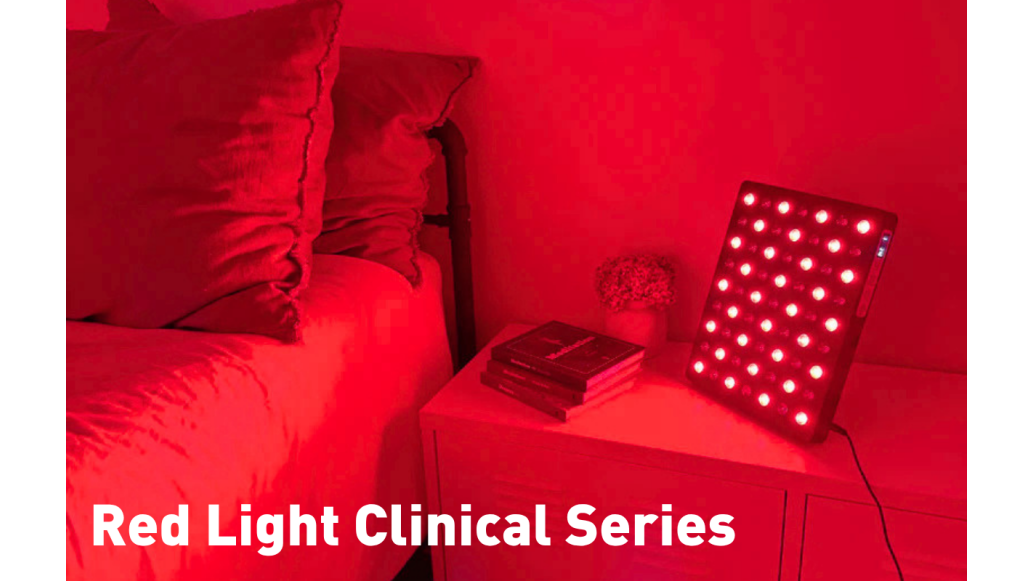
As red light therapy becomes more widely recognized, many clinicians are exploring how to incorporate this modality into their practice. This hesitation is understandable. Healthcare providers are often cautious with new interventions, especially given the number of trends that have come and gone, along with the overwhelming amount of information available today.
However, red light therapy is supported by a substantial and growing body of peer-reviewed research across a wide range of conditions and injuries. Here are some practical suggestions to help integrate photobiomodulation smoothly into a clinical environment.
Treatment Flow
Even the best tools are unlikely to be used if they disrupt a clinic’s workflow. If clinicians are unsure when or how to apply a modality—or if it interferes with other techniques—it often ends up unused, which is unfortunate.
One major advantage of red light therapy is its compatibility with other modalities. It does not interfere with other tools and, in many cases, can enhance overall patient outcomes when used in collaboration. It can be paired with techniques such as IASTM, cupping, dry needling, massage, joint mobilizations, and more. Treatments can be applied simultaneously (e.g., with a red light panel) or sequentially during a session. Because photobiomodulation is non-thermal and very safe, there is minimal risk in incorporating it into treatment plans.
A simple way to begin using red light therapy is by replacing traditional hot and cold packs with red light wraps. These wraps deliver red and near-infrared light directly to cells that need it through the skin to improve their efficiency.
Clinicians have traditionally used heat early in sessions to warm tissues and reduce discomfort. Red light therapy can be a more effective alternative by providing a gentle warming sensation while also stimulating cellular activity, preparing tissues for movement, and reducing pain.
Similarly, instead of using ice (often combined with electrical stimulation) at the end of a session to manage pain, red light therapy can be used to decrease pain and inflammation while promoting tissue healing—rather than potentially slowing it, as ice often does.
Switching from heat and ice to red light wraps allows clinics to maintain familiar workflows while improving patient outcomes.
Passive and Active Applications
Red light wraps offer flexibility a lot of flexibility because they are secured with Velcro and fit snugly over the treatment area, patients can wear them while performing light exercises or activities of daily living.
They can also be used passively while a patient is lying on a treatment table or receiving other therapies. The choice between active and passive use depends on the clinician’s approach and the patient’s goals.
Attended vs. Unattended Use
Photobiomodulation is not a new concept—many clinicians are familiar with cold laser technology that delivers high-intensity light over short durations and are most efficient for small treatment areas. However, this intensity carries a risk of burns if misused, so they require trained professionals to deliver laser light therapy under direct supervision.
In contrast, red light wraps and panels deliver lower-intensity light via LED diodes and deliver the light over longer durations to achieve the desired therapeutic dose. This approach increases safety, making the modality accessible to a wider range of users.
For clinicians, this means treatments can be administered without constant supervision. Patients can undergo red light therapy independently while the clinician attends to others. It is also safe for home use.
Usage Guidelines
When beginning to use red light therapy, keep the following considerations in mind:
- Contraindications: Contraindications are relatively limited. The list includes the use over a pregnant abdomen, active cancer sites, and individuals with photosensitivity (whether inherent or medication-induced). Treatments may feel warm but should never feel hot. If excessive heat is noticed, reduce the intensity being delivered. Additionally, darker skin tones and tattoos absorb more light, so dosage adjustments may be necessary.
- Dosage: A typical session lasts around 20 minutes, though this can vary depending on the condition and patient response. Acute injuries generally require lower doses (e.g., full intensity for 10 minutes or 50% intensity for 20 minutes). Chronic conditions often benefit from a higher dosager, such as 20–30 minutes at full intensity. Treatments should not be performed more than once per day and are typically used 3–5 times per week.
Red Light Wrap Care
Fringe red light wraps are constructed from durable neoprene with embedded LED lights. As electronic devices, proper care is important for longevity.
Wraps should be stored flat whenever possible and should not be folded, as this may damage internal wiring. They should not be submerged in liquids but can be cleaned using disinfectant wipes between patients. Protective plastic covers are also available, offering an easy-to-clean barrier that enhances durability and hygiene.
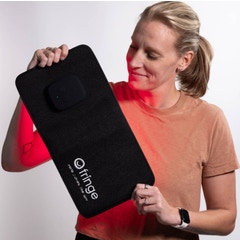

Fringe wraps include a built-in lithium-ion battery that is charged with a USB-C cord. A full charge typically provides 4–5 treatment sessions, making them practical for daily clinical use.
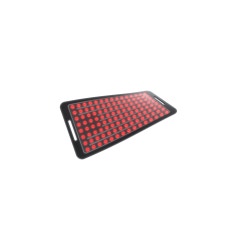
Fringe has also partnered with Cramer to introduce a red light wrap constructed from medical grade silicone. The Cramer wrap is extremely durable and can be cleaned with virtually any disinfectant, making it an outstanding option for in-clinic use.
Conclusion
Red light therapy is an effective, safe, and adaptable modality that can be applied across a wide range of conditions. Its ease of use and compatibility with existing treatments make it a valuable addition to any clinical practice.
This is the third in a series of articles covering clinical applications of red light therapy. The full series has been published; view all the articles with the links below:
- Red Light Therapy in Your Clinic: What is RLT?
- Red Light Therapy Tools to Use in Clinical Settings
- Practical Application of Red Light Therapy in Your Clinic
- The Financial Role of Red Light Therapy in Your Clinic
- Stacking Red Light Therapy with Other Modalities
- Case Study: Red Light Therapy for Neuropathy
- Case Study: Red Light Therapy for Achilles Tendonitis
- Case Study: Red Light Therapy for a Post-Operative Elbow Patient
Keep and eye on our article homepage for more series like this one!
Medical Disclaimer: The information provided on this site, including text, graphics, images, and other material are for informational purposes only and are not intended to substitute for professional medical advice, diagnosis, or treatment. Always seek the advice of your physician or other healthcare professional with any questions or concerns you may have regarding your condition.