




 Canada
 UK
UK France
 Australia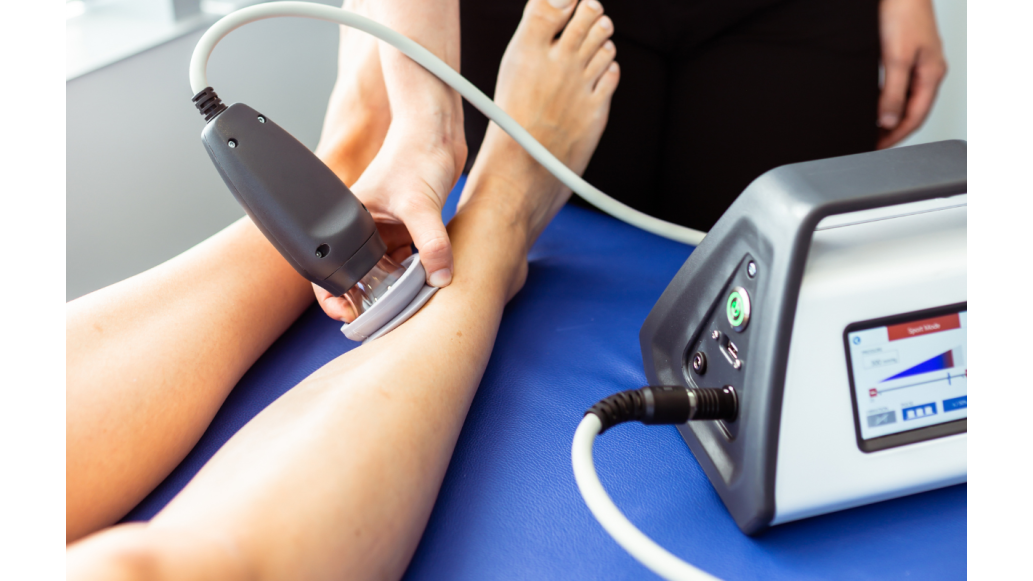
Following the exclusive webinar that took place in April 2026 on advanced scar rehabilitation techniques, this summary presents detailed clinical findings regarding the LymphaTouch® Pro’s impact on complex tissue recovery.
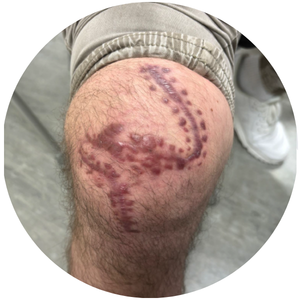
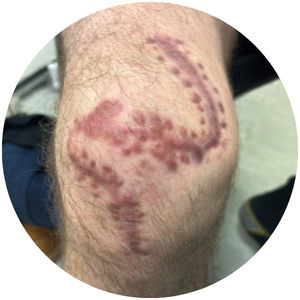
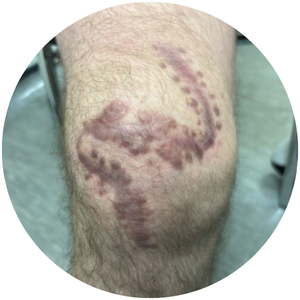
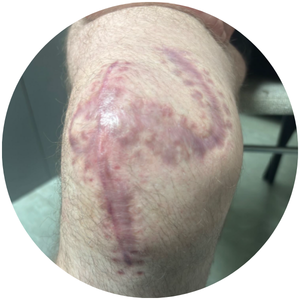
In the featured case study, London Scar Therapy clinicians Daniel Ceh and Joep Fernando demonstrate how integrating negative pressure therapy into a multimodal conservative program successfully managed a challenging hypertrophic anterior knee scar following trauma and surgical fixation.
This article is a summary of the case study, but you can access the full study at the bottom of this page!
Clinical Highlights & Results
From Conservative Progress to Targeted Innovation
Prior to introducing device-assisted therapy, the patient’s progress followed a familiar trajectory seen in complex scar rehabilitation – steady but incremental improvements through a structured conservative program. This included manual techniques, hydration, silicone application, desensitization strategies, and compression, all of which contributed to early-stage scar maturation and symptom reduction.
However, as is often the case with hypertrophic scarring, particularly following trauma and surgical intervention, progress plateaued and new challenges emerged, including the development of an additional immature scar post-surgery. This created an opportunity to evaluate how advanced modalities could complement and accelerate established care pathways.
Why Negative Pressure Therapy Matters
Negative pressure therapy represents a distinct evolution in conservative scar management. By mechanically lifting tissue and stimulating underlying structures, it is believed to influence key physiological processes such as circulation, lymphatic flow, and collagen organization; all critical factors in scar remodeling.
What makes this approach particularly compelling in a clinical setting is its ability to deliver consistent, controlled treatment parameters. In contrast to purely manual techniques, clinicians can apply repeatable pressure profiles with greater precision, supporting both effectiveness and reproducibility across treatment sessions.
A Multimodal Strategy, Optimized
Rather than replacing traditional scar therapies, the LymphaTouch Pro was integrated as an adjunct within a broader, patient-centered treatment plan. This multimodal approach allowed clinicians to layer interventions strategically addressing both the mechanical and physiological aspects of scar healing while continuing to support patient comfort and adherence.
The result is a compelling example of how innovation can elevate, not replace, best practice. By combining established techniques with advanced technology, clinicians can better respond to the evolving needs of complex scars across different stages of healing.

What This Means for Clinical Practice
For rehabilitation professionals and therapists, this case underscores an important shift: successful scar management is no longer limited to a single modality. Instead, it increasingly relies on the thoughtful integration of tools that enhance efficiency, consistency, and patient outcomes.
Equally important, the study highlights the dual benefit of device-assisted therapy – not only for patients, but for clinicians as well. With reduced physical strain and improved treatment precision, clinicians can sustain high-quality care over longer sessions and across larger caseloads.
While traditional conservative methods delivered gradual maturation, the introduction of the LymphaTouch Pro served as a clinical turning point.
Key Outcomes
Key outcomes observed within just two months of incorporating the device included:
- Accelerated Maturation: More rapid reductions in scar vascularity and elevation compared to manual therapy.
- Enhanced Pliability: Significant improvements in tissue mobility
- Patient Comfort: Significant relief from symptoms such as itching, friction sensitivity, and tightness.
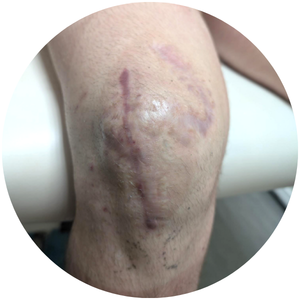
Beyond patient outcomes, the study highlights ergonomic benefits for the clinician, enabling precise, consistent negative-pressure delivery while reducing manual strain. Advance your scar management protocols.
Fill in your email to get the full case study right to your inbox:
Medical Disclaimer: The information provided on this site, including text, graphics, images, and other material are for informational purposes only and are not intended to substitute for professional medical advice, diagnosis, or treatment. Always seek the advice of your physician or other healthcare professional with any questions or concerns you may have regarding your condition.