





 Canada
 UK
UK France
 Australia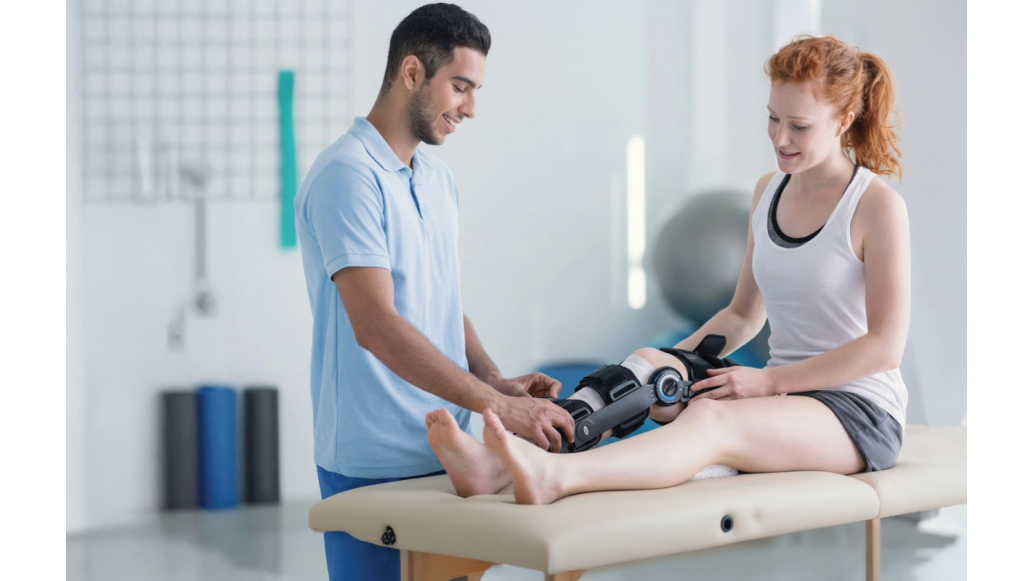
Orthopedic soft goods, encompassing braces, supports, and orthotic solutions, play a critical role in modern musculoskeletal care. From outpatient orthopedic clinics to acute care hospital systems and post-acute rehabilitation settings, these devices support clinical decision-making, enhance patient outcomes, and contribute to more efficient care delivery.
As healthcare systems balance both patient outcomes and cost-effective operations, orthopedic soft goods have evolved into essential tools that bridge rehabilitation, injury prevention, and functional recovery.
Understanding Orthopedic Soft Goods
Orthopedic soft goods (OSG) are external devices designed to stabilize, support, or protect musculoskeletal structures while allowing varying degrees of movement.
Unlike rigid immobilization methods such as casting, soft braces and orthosis solutions are designed to balance stability and mobility, enabling patients to maintain function while recovering.
These products include:
- Braces (knee, ankle, wrist, abdominal, and more)
- Supports and compression sleeves
- Slings and immobilizers
- Spliorthonts and orthotic devices
Orthotic devices, often used interchangeably with braces, are specifically designed to modify or control joint alignment, protect tissues, and improve functional outcomes.
Clinical Value Across the Continuum of Care
1. Injury Management and Acute Care
Orthopedic soft goods are widely used in acute injury management to stabilize affected structures, reduce pain, and prevent further damage.
Examples include:
- Walker boots for fractures
- Cervical collars for spinal stabilization
- Slings and immobilizers for shoulder injuries
These applications are especially critical in emergency departments and inpatient settings, as well as outpatient post-surgical settings, where early stabilization impacts long-term recovery.
2. Rehabilitation and Functional Recovery
In outpatient orthopedic practices and therapy environments, soft goods support controlled motion during rehabilitation.
Clinicians frequently use:
- Adjustable braces to allow progressive loading
- Compression supports to manage swelling and improve proprioception
- Splints to support tissue healing and joint positioning
Orthotic intervention can:
- Improve alignment
- Assist movement
- Offload joints
- Prevent deformity and contracture
This makes soft goods a cornerstone of PT and OT treatment plans, particularly for patients recovering from surgery or musculoskeletal injury.
3. Prevention and Long-Term Management
Orthopedic supports are also essential for:
- Chronic conditions such as arthritis and tendonitis
- Injury prevention in at-risk populations
- Return-to-activity protocols
In sports medicine and active populations, braces help reduce re-injury risk while maintaining performance.
The Role of Splinting and Orthoses in Hand Therapy
Splinting and orthotic fabrication are key components of upper extremity rehabilitation, particularly in occupational therapy and hand therapy settings.
A splint or orthosis is defined as a device used to immobilize, support, or correct musculoskeletal conditions.
Types of Splints and Orthoses:
- Static orthoses: Immobilize joints to protect healing tissues
- Dynamic orthoses: Allow controlled motion to restore function
- Static progressive orthoses: Apply adjustable tension to improve range of motion
Clinical Applications:
- Tendon and ligament injuries
- Fracture stabilization
- Neurological conditions
- Post-surgical recovery
For clinicians, especially OTs and CHTs, orthotic intervention is both a science and an art, directly influencing functional outcomes and patient independence.
Key Considerations for Supply Chain and Procurement Leaders
For supply chain professionals, orthopedic soft goods represent a unique category—high-utilization, clinically essential, and operationally impactful.
1. Product Availability and Demand Planning
Orthopedic devices are in consistently high demand due to the prevalence of musculoskeletal conditions and aging populations.
2. Cost Management and Standardization
Balancing cost efficiency with clinical preference is critical. Providers often rely on specific products and brands, making standardization strategies essential.
3. Vendor Partnerships and Reliability
Strong supplier relationships and diversified sourcing help mitigate disruptions and ensure continuity of care.
4. Inventory Optimization
Leveraging data and technology enables:
- Demand forecasting
- Reduction in stockouts
- Efficient distribution across care settings
5. Aligning Clinical and Operational Goals
The most effective supply chains are those that align procurement decisions with clinical outcomes – ensuring the right products are available at the right time. Performance Health is proud to have industry leading fulfillment rates across our entire portfolio, with two full-service distribution centers servicing the United States and a dedicated distribution center in Canada. With over 70 years of expertise as your trusted rehabilitation partner, our team is ready to support you with reliable operations.
Trusted Brands in Orthopedic Soft Goods
Performance Health offers a comprehensive portfolio of orthopedic solutions supported by clinician-trusted brands.
Sammons Preston®
A longstanding leader in rehabilitation and therapy, Sammons Preston provides a broad range of products designed to support both clinical care and patient independence. The brand is widely recognized by occupational and physical therapists for its reliability and versatility.
Rolyan®
Rolyan is considered a gold standard in hand therapy and splinting, offering advanced thermoplastic materials and orthotic solutions.
Focused areas include:
- Custom splinting materials
- Hand and upper extremity orthoses
- Solutions tailored to therapists and rehabilitation specialists
Rolyan products are designed to support precision, customization, and optimal functional outcomes in upper extremity care.
Cramer®
With over a century of innovation in sports medicine, Cramer specializes in athletic training and performance-focused orthopedic support.
Key strengths include:
- On-field injury support
- Return-to-play bracing
- Preventive athletic solutions
Cramer products are trusted by athletic trainers, sports medicine professionals, and clinicians working with active populations.
The Future of Orthopedic Soft Goods
Advancements in materials, design, and technology are reshaping orthopedic soft goods, with trends including:
- Lightweight, breathable materials for improved patient compliance
- Adjustable and dynamic support systems
- Integration with rehabilitation protocols
- Increased focus on patient comfort and mobility
As healthcare continues to shift toward value-based care, orthopedic soft goods will remain central to achieving both clinical excellence and operational efficiency.
Summary
Orthopedic soft goods are more than supportive devices – they are integral to the delivery of high-quality musculoskeletal care across settings.
For clinicians, they enable personalized treatment, improved outcomes, and safer progression through rehabilitation.
For supply chain leaders, they represent an opportunity to optimize cost, availability, and care delivery through strategic sourcing and standardization.
By aligning clinical expertise with trusted brands and cost-effective solutions, healthcare organizations can deliver consistent, effective care – helping patients recover, perform, and live better.
References
- Shin, Mi Ran, Katherine DeGraaff and Olga Morozova. “Lower Limb Orthotics/Therapeutic Footwear.” PM&R KnowledgeNow, Dec. 21, 2022.
- Coppard, Brenda M., and Helene Lohman. Introduction to Splinting: A Clinical Reasoning and Problem-Solving Approach. 3rd ed., Mosby, 2008.
- Sani, Fatima. “Orthopedic Braces: Essential Support for Recovery and Injury Prevention.” Journal of Bone Research, vol. 12, no. 5, 2024.
- “Orthopedic Soft Goods and Their Place in Athletic Training.” Medco Sports Medicine, March 9, 2026.
- “Orthopedic Soft Goods.” Medline.
- “Orthopedic Supports and Braces.” Performance Health.
- Harris, Amanda. “Hospital Supply Chain Managers: Strategies for Timely and Cost-Effective Orthopedic Device Procurement in the United States.” Needle.Tube, June 11, 2024.
- “10 Keys to Orthopedic Supply Chain Optimization.” Intech, April 26, 2024.
- “Supply Chain Challenges in Orthopaedics: Shortages and Solutions.” OrthopaedicMD.com, Sept. 29, 2025.
- Richards, Sarah. “Supply Chain and Procurement in Orthopedic Surgery.” American Hospital & Healthcare Management.
Medical Disclaimer: The information provided on this site, including text, graphics, images, and other material are for informational purposes only and are not intended to substitute for professional medical advice, diagnosis, or treatment. Always seek the advice of your physician or other healthcare professional with any questions or concerns you may have regarding your condition.