





 Canada
 UK
UK France
 Australia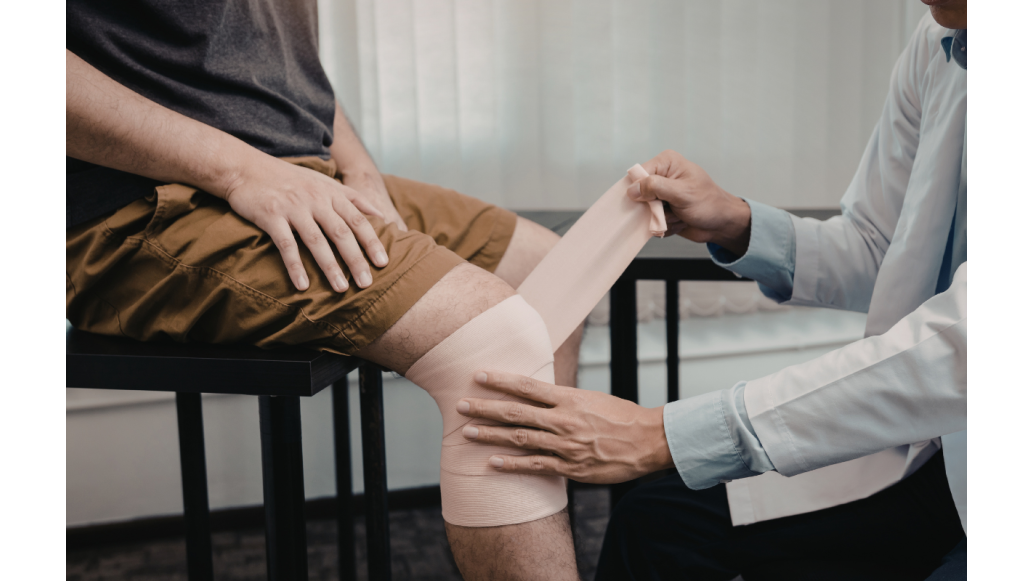
Successful postsurgical recovery extends well beyond the operating room. For clinicians working with patients after orthopedic and spinal procedures, the right combination of adaptive equipment, therapeutic tools, and home-based supports can significantly influence functional outcomes, safety, and confidence during daily activities. Postsurgical recovery extends well beyond the operating room.
Whether you’re treating a patient after a joint replacement, rotator cuff repair, hand surgery, or other surgical procedure, thoughtfully selected recovery tools can help reinforce precautions, reduce compensatory movement patterns, and promote independence throughout rehabilitation.
Head right to the resources you're looking for with these links:
Why Postsurgical Tools Matter in Rehabilitation
Postoperative patients often face temporary, or sometimes longer-term, limitations in strength, range of motion, endurance, and coordination. When these challenges intersect with activities of daily living, patients may unknowingly place themselves at risk for falls, joint strain, or noncompliance with surgical precautions.
Adaptive and therapeutic tools allow clinicians to:
- Support safe movement while protecting healing tissues
- Reinforce therapy goals outside the clinic
- Reduce caregiver burden
- Improve patient confidence and adherence to home exercise programs
By aligning the right tools with each phase of recovery – from early protection to progressive strengthening – clinicians can create a more seamless transition from inpatient care to home and outpatient therapy.
Lower Extremity Surgery: Hip and Knee Replacements
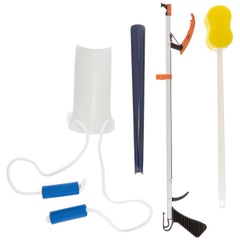
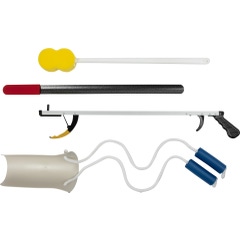
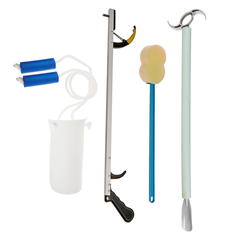
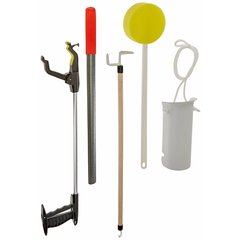
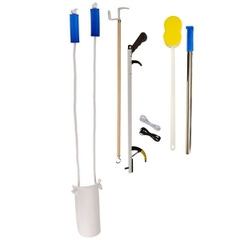
Following hip or knee replacement, patients are often restricted from bending, twisting, or excessive reaching. Adaptive ADL tools can help maintain independence while honoring postoperative precautions, reducing the temptation to bend, twist, or reach in ways that may compromise healing.
Commonly recommended tools include:
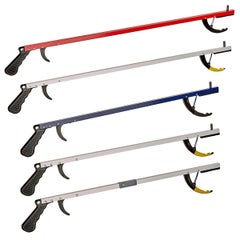
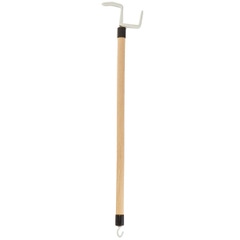
- Reachers and dressing sticks to reduce forward flexion
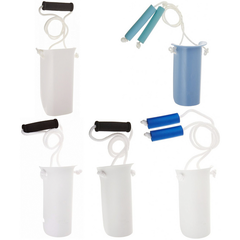
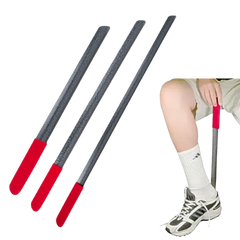
- Sock aids and long-handled shoehorns for lower-body dressinghandled shoehorns for lowerbody dressing
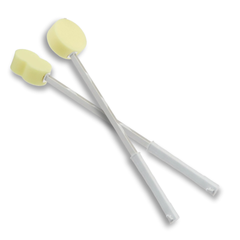
- Long-handled bath sponges to support hygiene without compromising joint alignmenthandled bath sponges to support hygiene without
- compromising joint alignment
- Leg lifters to assist with bed mobility

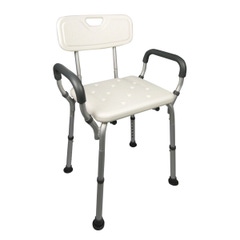
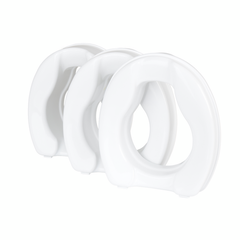
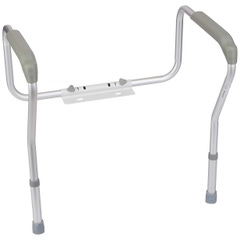
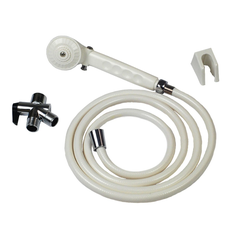
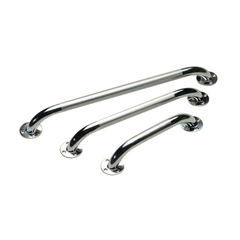
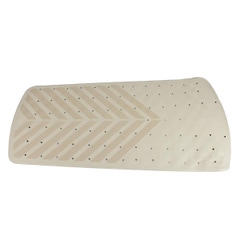
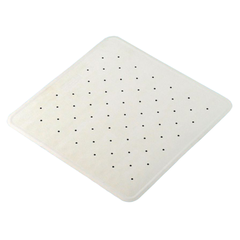
Bath safety tools are important to help prevent slips and falls, which include:
- Raised toilet seats to reduce excessive hip and knee flexion during transfers
- Shower chairs or bath benches to improve safety and conserve energy during bathing
PreOp and PostOp Exercise Tools for Joint Recovery
Strengthening and mobility don’t stop at discharge. Structured, progressive exercise tools help patients safely rebuild function both before and after surgery.
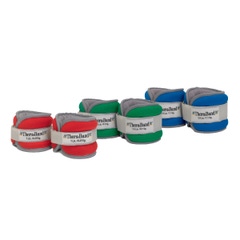
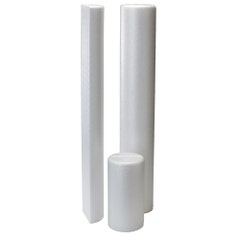
Examples of commonly used tools include:
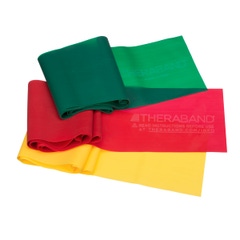
- Resistance bands for graded strengthening
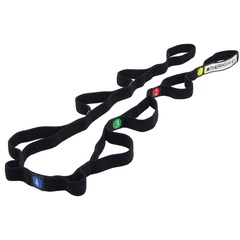
- Stretch straps to assist with range of motion workofmotion work
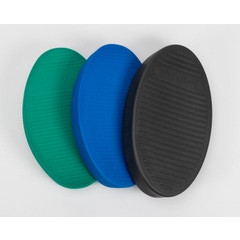
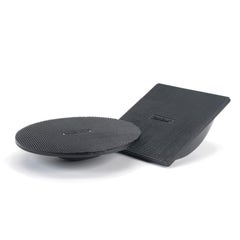
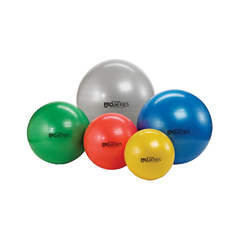
- Balance trainers, rocker boards, and stability equipment for neuromuscular reeducation
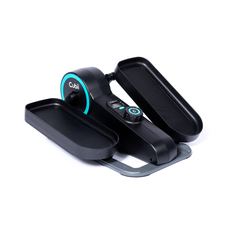
- Pedal exercisers for low-impact cardiovascular engagementimpact cardiovascular engagement
When paired with clear clinician guidance, these tools reinforce therapy goals and empower patients to stay active between sessions.
Upper Extremity Recovery: Shoulder Surgery
Shoulder procedures often require one-handed function during early recovery, creating challenges with dressing, bathing, and positioning. Occupational therapists and physical therapists alike can use these tools to support early mobility while reinforcing surgical precautions and proper movement patterns.
Helpful postoperative tools may include:
- Adaptive dressing and bathing tools to reduce shoulder strain
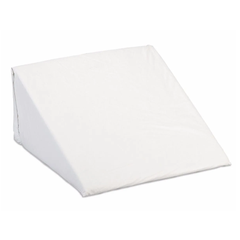
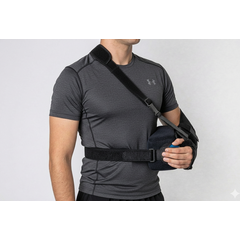
- Supportive slings and positioning pillows to maintain proper alignment and comfort
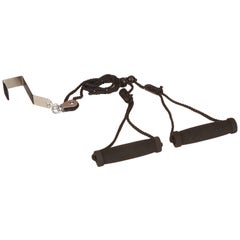
- Pulley systems for controlled, clinician-directed range of motion exercises during early mobility workdirected rangeofmotion exercises
Spinal Surgery: Protecting the Healing Back
Patients recovering from spinal surgery frequently require strict limitations on bending, twisting, and lifting. Adaptive tools play a key role in protecting surgical sites while maintaining daily function and reducing unnecessary strain during routine movements.
Recommended categories often include:
- Long-handled ADL tools to reduce spinal flexionhandled ADL tools to reduce spinal flexion
- Bathroom safety equipment to support safe transfers
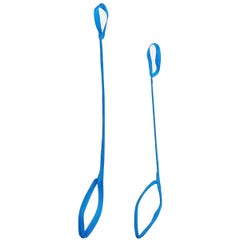
- Bed mobility aids to assist with positioning and movement
Upper Extremity Surgery: Hand and Wrist Procedures
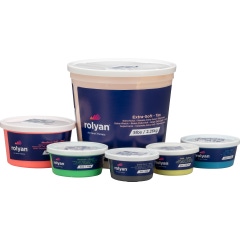
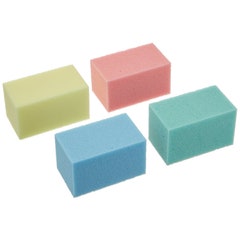
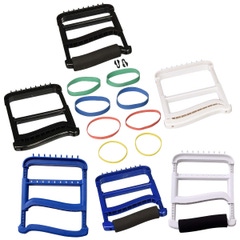
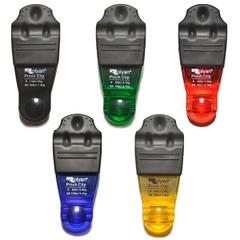
Hand and wrist surgeries require a balance between protection and progressive functional use. Therapy tools help patients safely rebuild strength, dexterity, and coordination. These tools are especially valuable for home exercise programs that complement in-clinic interventions.clinic interventions.
Common postsurgical hand therapy tools include:
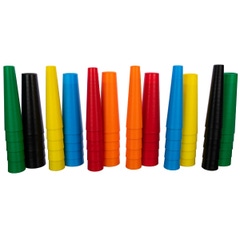
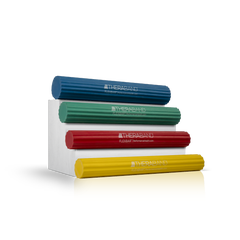
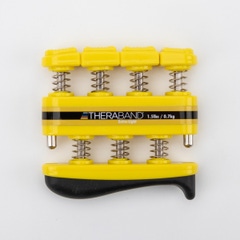
- Hand exercisers, therapy putty, and resistance tools for graded strengthening
- Pinch and fine motor tools to support functional grasp patterns
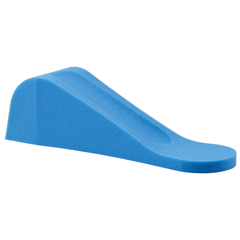
- Positioning supports to manage edema and comfort



Adaptive Kitchen and Dining Tools for Functional Independence
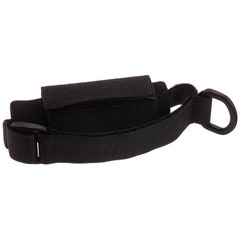
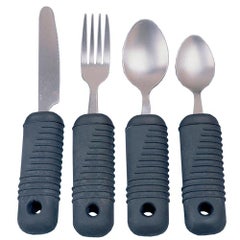
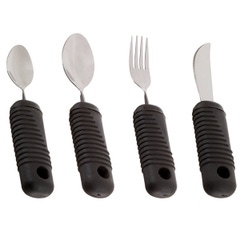
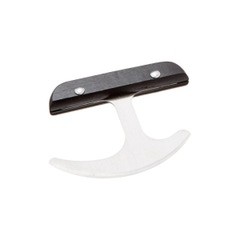
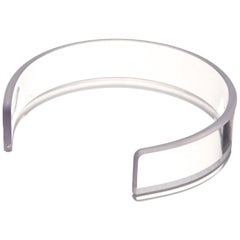
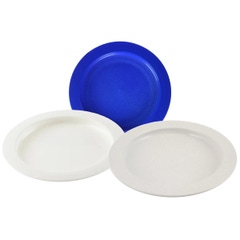
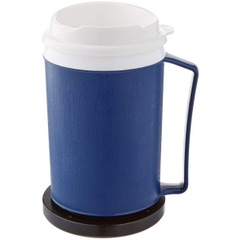
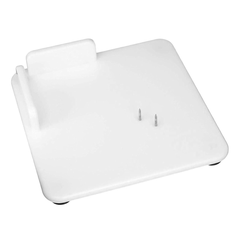
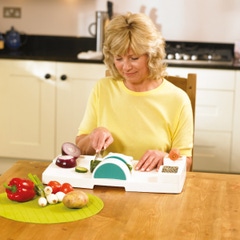
For patients with limited grip strength, reduced coordination, or one-handed function, adaptive kitchen and dining tools can significantly improve independence and quality of life.handed function, adaptive kitchen and dining tools can significantly improve independence and quality of life.
Examples include:
- Built-up or weighted utensils to support grasp and controlup or weighted utensils to support grasp and control
- Rocker knives and adaptive plates to reduce the need for bilateral coordination
- Nonslip and stabilization tools to enhance safety during meal prep



Pain and Swelling Management
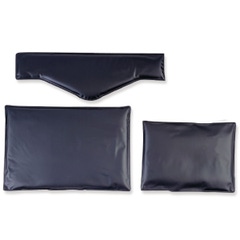
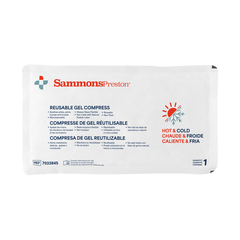
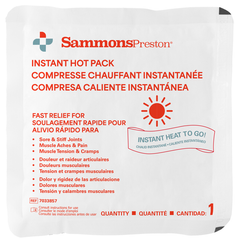
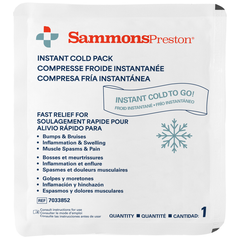
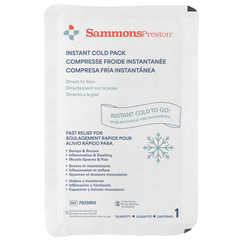
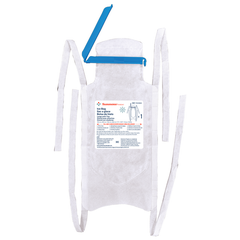
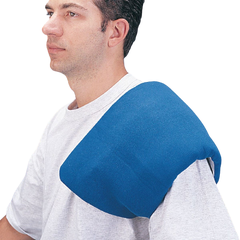
In addition to adaptive and mobility tools, pain and swelling management strategies such as hot and cold therapy can further support functional progress. Pain and postoperative swelling are common barriers to early mobility, functional participation, and adherence to rehabilitation programs. When used appropriately and at the right phase of recovery, hot and cold therapies can be valuable adjuncts to therapeutic exercise and manual intervention.
Cold therapy is most commonly used in the early stages of postsurgical recovery, particularly when inflammation, edema, and localized pain are present. Applying cold can help reduce swelling around surgical sites and provide shortterm pain relief, making it easier for patients to tolerate movement and participate in therapy sessions.
Heat therapy is typically introduced later in the recovery process, once acute inflammation has subsided. Heat can promote tissue relaxation, increase comfort, and help patients feel more prepared for movement or stretching activities.
Learn more about the science behind thermal and cryotherapy with this article.
Integrating Tools into Patient Education and Care Planning
The most effective postsurgical recovery plans combine clinical expertise with practical solutions patients can use every day. When recommending tools:
- Align selections with surgical precautions and therapy goals
- Educate patients on proper use and safety
- Reassess tool needs as function improves
- Collaborate across disciplines to ensure consistent messaging
By proactively addressing functional challenges with the right tools, clinicians can help patients move more confidently through recovery – supporting safer movement, improved adherence, and more consistent functional progress over time.
Shop the most recommended post-operative rehab and recovery tools all in one place!
Medical Disclaimer: The information provided on this site, including text, graphics, images, and other material are for informational purposes only and are not intended to substitute for professional medical advice, diagnosis, or treatment. Always seek the advice of your physician or other healthcare professional with any questions or concerns you may have regarding your condition.