You already know cardiac rehabilitation matters. One study found that patients who use cardiac rehab after a heart attack were 53% less likely to die from any cause and 57% less likely to experience a cardiac-related death compared to those who didn’t use cardiac rehab.
You may see patients after heart procedures to help them return to function but also establish a healthier lifestyle to avoid further complications with heart disease.
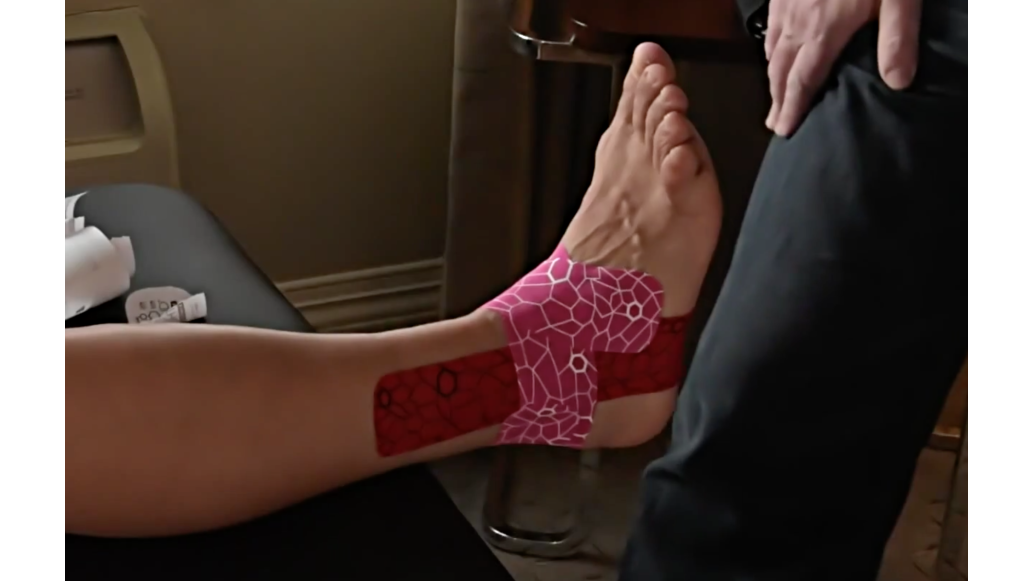
Two types of taping, rigid taping and kinesiology taping, have been established and used for years to treat the same symptoms. Which one works better? That’s for you to decide.
Urinary incontinence affects millions of people across the lifespan and is far more than an issue of comfort or convenience. For rehabilitation professionals, effective incontinence management is essential.
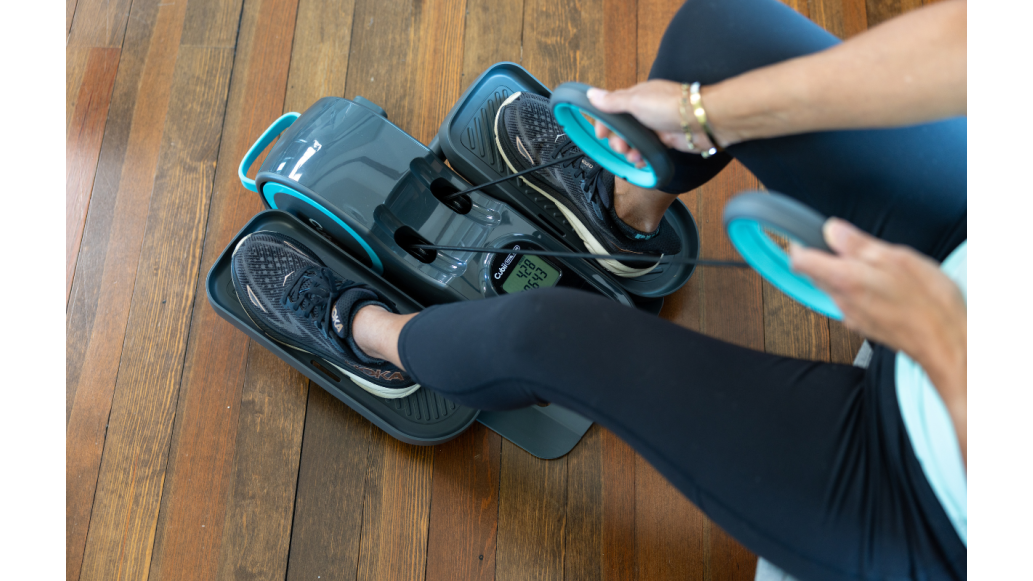
A recent randomized controlled trial suggests that seated elliptical exercise may be a simple, low-impact option for reducing chronic low back pain, particularly for individuals with sedentary lifestyles.
Medical professionals want to get their patients back home and resting easy almost as much as their patients want out of the hospital. A little planning and the right tools and equipment can get patients out of the hospital, back in their recliner.
Ankle sprains: the seeming right-of-passage for athletes in sports that involve jumping and quick lateral movements. Ankle pain is a huge deterrent of athletic performance and involves immediate intervention.







 Canada
 UK
 France
 Australia