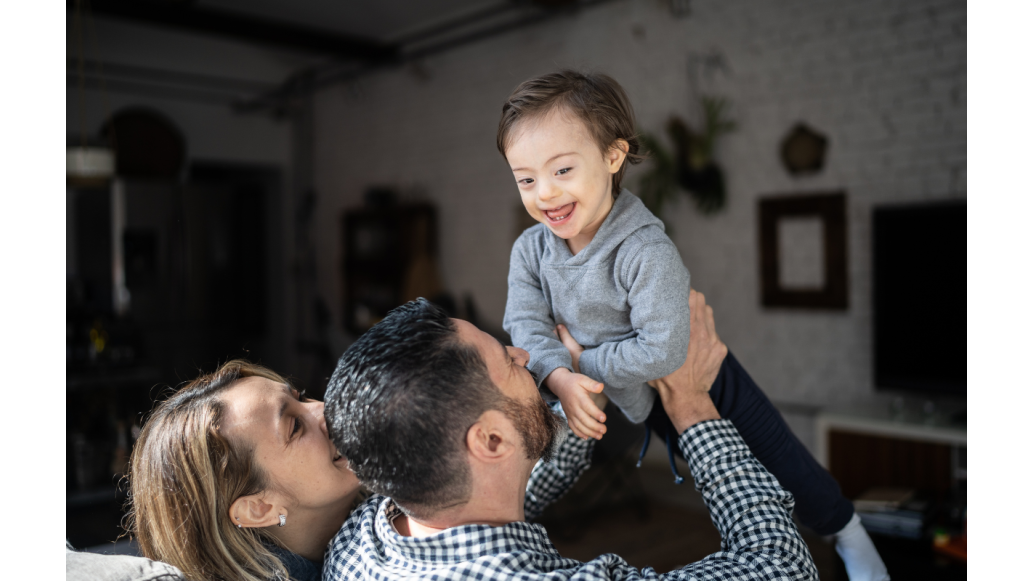
Chosen to help develop skills like fine and gross motor skills, balance, socialization, and more, these gifts are fun and functional. The variety of gifts mean you can find presents for children with physical disabilities and/or intellectual disabilities.
As rehab professionals, we know so many of our patients go down an internet rabbit hole, searching their symptoms and potential fixes. It is our job to support and guide them to the best information and help quell their worries and fears.
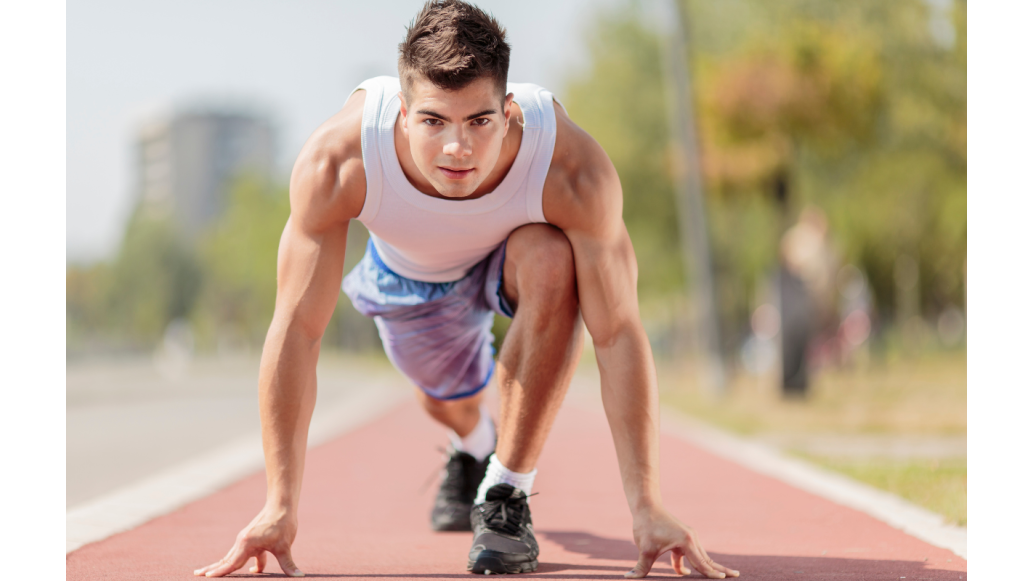
Buying for teens is hard. Your son already has a phone, more video games than anyone needs, and plenty of clothes. If the best response you can get is “I don’t know”, you might not know what to get him. We have some suggestions to help!
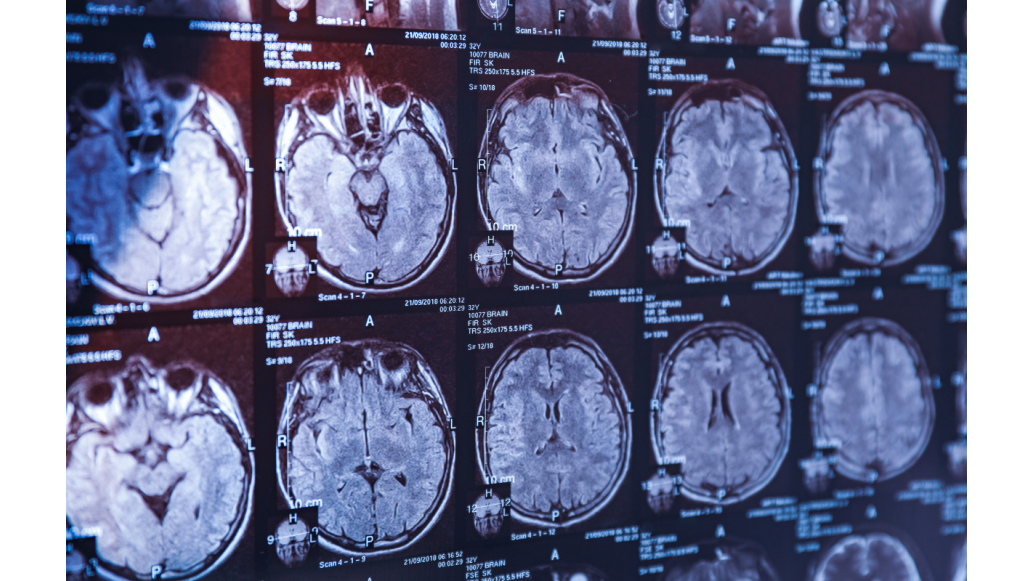
Red Light Therapy (also called photobiomodulation, or PBM) uses specific wavelengths of red and near-infrared light to stimulate cellular activity. Near-infrared light, in particular, penetrates deeper into tissues, reaching brain cells.
Infection prevention and control are fundamental to protecting patients, healthcare workers, caregivers, and the broader community. Whether in a hospital, outpatient clinic, school, or home care setting, the principles of infection control remain the same.
Participation in youth sports continues to grow, offering numerous physical, emotional, and social benefits. However, it also brings an increased risk of sports-related injuries. Physical therapists (PTs) play a crucial role in both preventing these injuries and facilitating safe recovery.
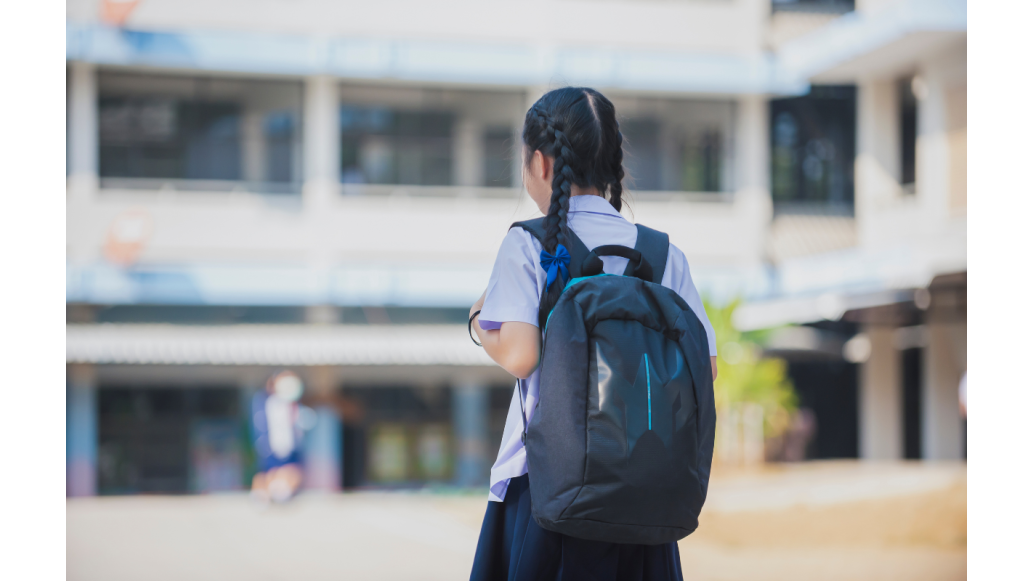
If you’re a physical therapy clinic seeing a lot of students coming in with back pain, you may want to consider offering backpack screenings to assess children and the backpack they’ve chosen to see if it’s a proper match.
Whether you're new to these benefits or just need a refresher, this article breaks down the most common questions about HSA and FSA accounts in a clear Q&A format.
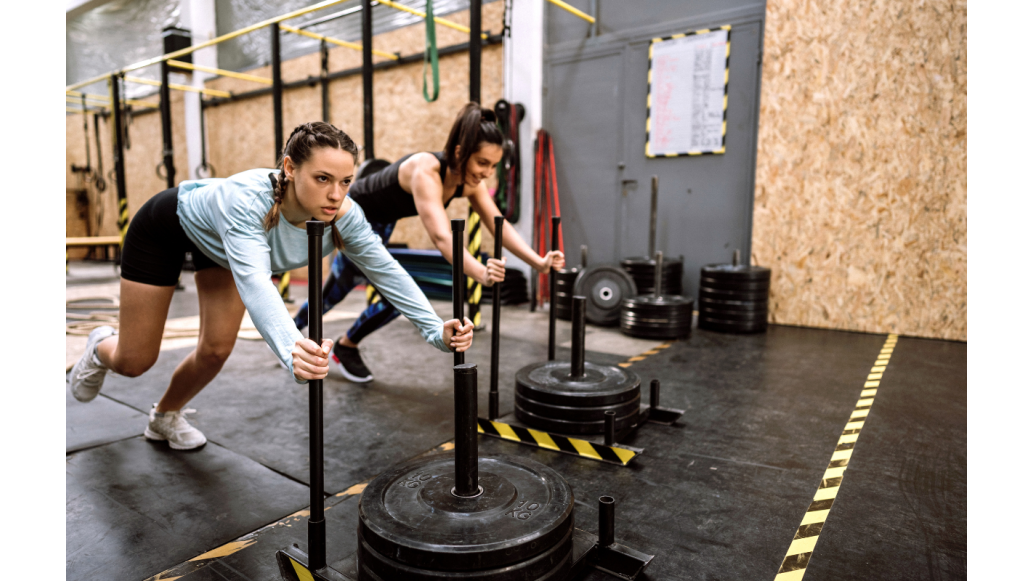
Are you wondering how teachers can fit exercise into their busy lives? As you know, it isn’t easy. Between teaching, grading, lesson planning, and your life outside of school, there isn’t always time left over for working out.






 Canada
 UK
UK France
 Australia