Most people have tripped and fallen a few times. But for the elderly, falls can be more catastrophic than just bumps and bruises. Knowing the facts about falls and their impact on seniors can help keep you or your elderly loved ones safe.
Fall is upon us, meaning it is time to tuck away the swimsuits and lemonade and bring out the sweatshirts and ciders. There is no time to dwell on the fact that you only completed 7 out of your 33 “Things to Do in the Summer” list. It is time for a new list: “Things to Do in the Fall, but This Time I’m Actually Going to Do Them”.
Every year, 25% of people over the age of sixty-five experience a fall.1 With serious injuries resulting from many of these falls, it’s important to know if you’re at risk. Take this simple quiz to find out if you should worry about your likelihood of falling.
Are you worried about your risk of falling as you get older? According to the CDC, most falls happen at home.1 Over 29 million falls are incurred by older Americans every year.2 But simple steps can be taken to make your house safer to help prevent falls.
Caring for your loved one is one of the hardest jobs in the world. However, just like any flight attendant will explain, it is important that you put on your mask before helping the person next to you.
Maybe your walker makes you feel encumbered. Maybe you are self conscious. Maybe you feel like this tool that’s supposed to make your overall life easier, actually makes some things less convenient. But just like an outfit or a hot car, it’s all about the accessories!
Memory is an important part of our daily lives. That’s why it can be frustrating for veterans if they’re having trouble remembering people’s names or where they left their keys. Several conditions can cause memory problems, including stroke, dementia, traumatic brain injury (TBI), or just aging in general. Luckily, there are plenty of ways to improve cognitive function and cope with memory difficulties.
So you’ve decided to be a caregiver for your elderly parent or grandparent. Lots of changes will come your way as your household welcomes another member and adjustments will need to be made in your family unit. In that same way, some adjustments to your home can offer you peace of mind and life easier for your loved one. How can you make sure that your home – which previously did not meet the needs of an elderly individual – is a safe place for them?
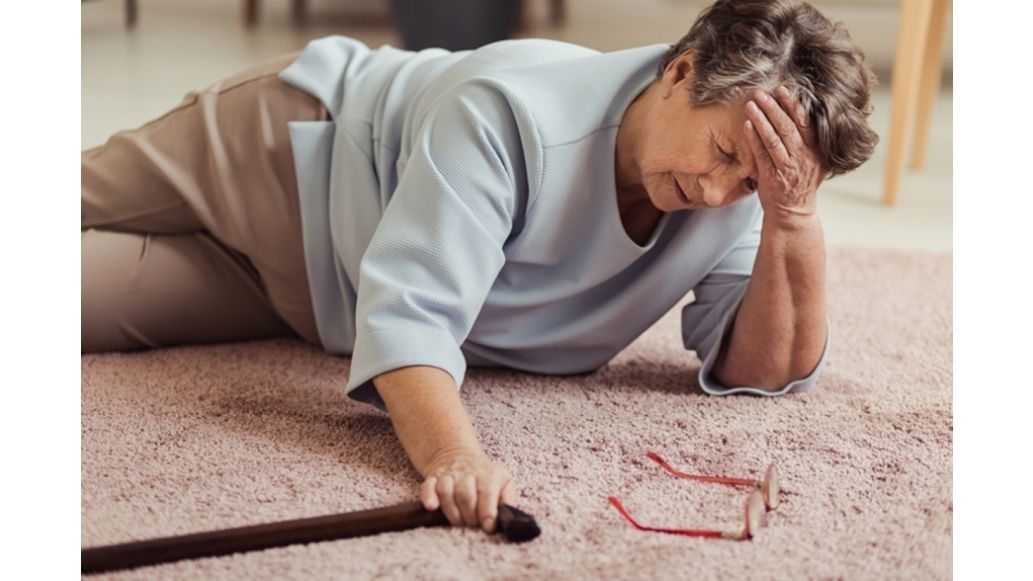
Generally one in three adults over the age of 65 who live at home may experience at least one fall a year. Of these, about half will fall more frequently resulting in pain, injury, and a loss of confidence. Luckily, we know what to do in the case of a fall and are here to help.







 Canada
 UK
 France
 Australia