





 Canada
 UK
 France
 Australia
Key Takeaways
- Recovering at home following an injury or surgery can be a reality for many patients
- Planning, education and communication are key for a safe and effective transition from a medical facility to a home setting
- Collaboration of the entire medical team, patient and caregiver as well as utilization of appropriate equipment are paramount to recovering and healing at home
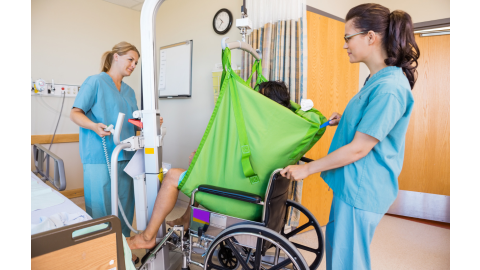
When you think of patients recovering after surgery or a significant illness, what comes to mind? I would venture to guess that your mind immediately goes to a hospital. Although many patients need the high-level attention and medical care that an in-patient setting provides, shared rooms, monitors beeping, and hospital staff coming in and out throughout the day and night is not always ideal for rest and recovery.
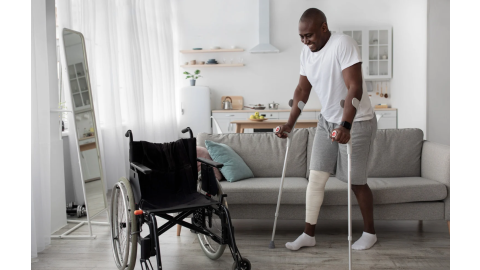
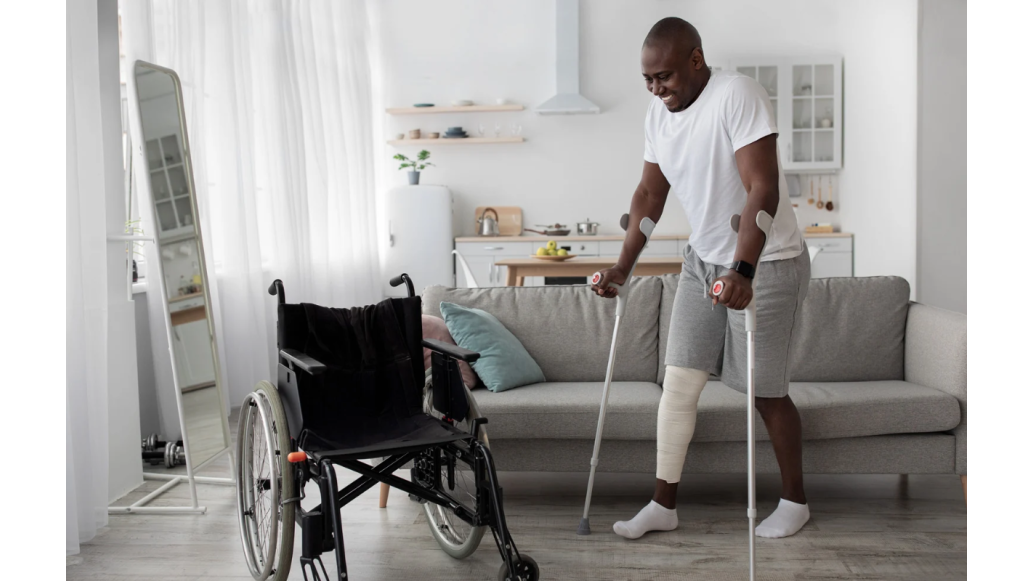
Across North America the paradigm is shifting away from hospital stays and focusing more on at-home care. This approach can give patients more independence and comfort while healing and recovering in their own homes. When at-home recovery is clinically appropriate, the opportunity to recover in a familiar environment is often the most appealing option for patients. In my clinical experience, making that transition safely requires thoughtful planning and consideration. Unfortunately, it is not as simple as taking the backless gown and grippy socks off, putting sweats and sneakers on and snuggling up on a recliner.
For health care professionals, supporting at-home care and recovery requires understanding of how patients navigate daily activities, identifying and negating potential risks and recommending appropriate interventions and equipment to facilitate independence while still keeping safety as a top priority. Let’s take a look at how this transition can be accomplished.
Assessment and Planning
The first part of the process when potentially transitioning patients from a medical facility to their home environments is assessment. We want to assess everything! This includes their needs, their goals and their home environment. We start by asking questions – are there stairs to get into or inside the home? How wide are doorways? What is the layout of the house? What assistance and support is available? Getting more answers can help to start creating a framework of what the patient needs to be safe and successful at home.
Before sending someone home, an assessment of their environment is crucial in identifying potential risk factors that could be waiting in plain sight. Falls are one of the most common complications patients face that can set their recovery backtracking. Removing things like throw rugs or clutter that could become tripping hazards are a great start. Assessing a patients balance and gait pattern prior to discharging them from a hospital or inpatient setting can give an indication of the patient’s ability to navigate stairs, walk home or community distances, and even get into and out of a chair or off the couch safely. Simple additions such as grab bars in the bathroom can provide an extra layer of safety and improve their ability to move around their environment more independently. Even the most trivial of tasks can seem easy in a hospital setting when assistance is readily available but can become insurmountable when a patient is alone in their home. When looking around the environment, we also need to consider the patient’s mobility, strength, endurance and cognition.
Setting up in-home appointments with services such as PT and OT can be a game changer when transitioning patients to continued recovery at home. Having the health care team see a patient in their own environment can open up a better understanding of what their individual needs are. Is there a tight space to get into a bathroom? A home physical therapist can work on mobility in that space, building endurance and confidence in the patient during walking, turning and transferring.
Not all patients have a support system ready and willing to step in with help. They might not be able to independently get to and from appointments themselves and transportation can become a significant barrier in receiving care. Bringing the care to the patient ensures compliance and consistency. Working with social services to assess needs and services available such as meal delivery services can close the gaps in getting our patients the best and most comprehensive care we can.
The patient and their support system (if present) need to be involved every step of the way to ensure their cooperation, involvement and understanding. Education for both the caregivers and patients is a key component to success. Additionally, discussing and ensuring realistic goals and expectations is paramount for a smooth transition.
Putting Plans into Action
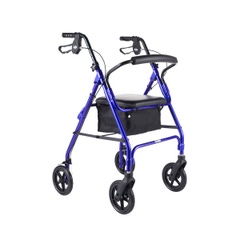
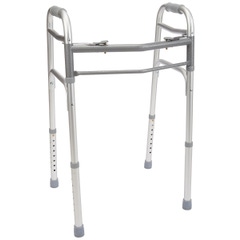
Once we have a thorough assessment of the patient’s needs, home environment and support system we can start putting our plans into action. The transition starts before they even leave the hospital, care center, or rehab clinic. Our patients with mobility issues may need an assistive device for ambulation. However, not all assistive devices are created equally. Some of our more mobile and independent patients would benefit from a Rollator, giving them a little more mobility than a traditional walker.
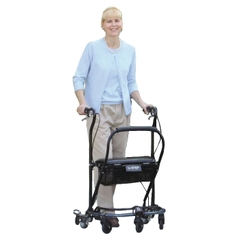
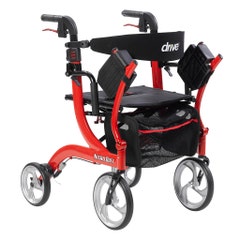
Not all Rollators are created equal either, so assessing the layout of the house and property and the patient’s level of mobility can be useful to determining which one is the right one for the patient. For example, a U-Step walker can be a great option for someone with more mobility whereas a Nitro Duet Rollator and Transport Chair gives the patient more stability and can be used for ambulation by the patient or transport from the caregiver for patients that might need more support for longer periods of walking. Either way, they get go the distance, whether that is from their living room to the bathroom or finally getting back out into the community.
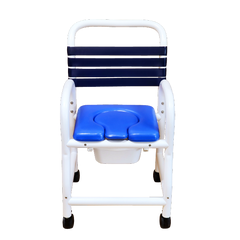
Showering and bathing can be another hurdle – many homes have tubs needing a big step over to enter, and many patients might not yet have the endurance to stand through the entire shower process. We don’t always realize how much balance is required for getting through a safe shower until having to stand on one leg to wash the other one becomes impossible! Using a shower chair lets our patients get into the shower and safely wash their entire body, decreasing the risk of a slip and fall. Showering is not the only activity that can put a patient as risk for falls. Something as simple as reaching into a high cabinet or the top of a closet can throw someone off balance. Employing something as simple as a Reacher can make a world of difference for patients returning to and navigating their way around their home.
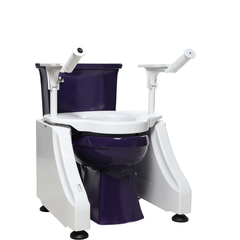
The toilet can be another hurdle that one might not think about until they are sitting on one they cannot seem to get up from! Many toilets are low, and patients with mobility and strength challenges could have difficulty both sitting easily and getting up off the toilet when finished. Utilizing a raised toilet seat can help keep people safe and make toileting much easier. A toilet lift can provide even more support when using the bathroom. Assessing the bathroom set up and employing a few simple pieces of equipment can improve the safety and independence of patients when healing at home.
Conclusion
For many patients, healing, recovery and aging at home can go from an impossible pipe dream to an attainable reality. With the right planning, clinical advice and oversight, continued support, and appropriate equipment, many patients don’t have to give up the creature comforts of their home for an unfamiliar medical facility. Recovering at home can also be beneficial to the patients’ mental health as well as their physical health. Giving them back some independence and autonomy can improve their sense of self and help them shift focus to what they can do instead of focusing on their challenges.
With collaborative efforts of care team members, patients can transition to and continue care at home while being monitored and staying safe. The couch in the living room is much more comfortable than the hospital bed. So, let’s leave the backless gown behind and get home soon!
All Products Recommended in this Article







Medical Disclaimer: The information provided on this site, including text, graphics, images, and other material are for informational purposes only and are not intended to substitute for professional medical advice, diagnosis, or treatment. Always seek the advice of your physician or other healthcare professional with any questions or concerns you may have regarding your condition.