





 Canada
 UK
UK France
 Australia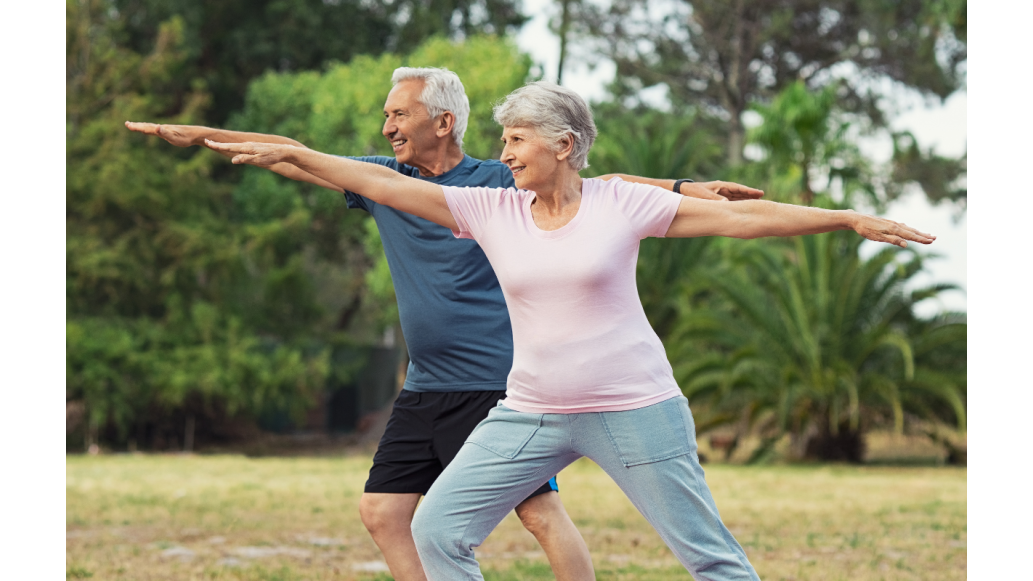
Healthy aging is not about doing everything you did at 30—or doing it without a little help. It is about maintaining the strength, mobility, confidence, cognitive engagement, and independence to keep doing the things that matter to you. Rehabilitation practitioners such as occupational and physical therapy practitioners want their clients to think of daily movement, exercise, meaningful activities, and the right adaptive tools as investments in the ability to live well. Whether that means taking a walk, exercising with a resistance band, preparing their own meal, managing medications, or using a walker when needed, staying active in both mind and body can help them—and you—stay independent and engaged in a life that is enjoyed and desired.
Key Takeaways
- Healthy aging involves physical activity, cognitive engagement, daily routines, and maintaining independence—not simply the absence of illness.
- Exercise should include a combination of aerobic, strengthening, balance, and flexibility activities and should be individualized to your abilities and health needs.
- Adaptive equipment such as rollators, reachers, and kitchen aids are tools for maintaining independence—not a sign of failure.
- Rehabilitation practitioners can help you identify safe, meaningful activities and develop an exercise program that supports your goals.
- Staying active in your body and your mind can support functional capacity, confidence, quality of life, and independence as you age.
Table of Contents
Healthy Aging Means Staying Engaged
As we age, maintaining independence becomes increasingly important. But independence does not mean doing everything completely on your own. It means having the ability—and the confidence—to participate in the activities that give your life meaning.
Research on healthy aging emphasizes the connection between lifestyle, cognitive health, and instrumental activities of daily living (IADLs), such as managing medications, preparing meals, handling finances, and maintaining a household. Difficulties with these activities can be an early indication that an individual may benefit from additional support or intervention.
Rehabilitation practitioners will look beyond a single diagnosis or physical limitation. They should consider how you are moving, thinking, exercising, managing your daily routine, and participating in the activities you enjoy.
Your goals matter. If taking a daily walk with a friend brings you joy, work toward that. If cooking your favorite meal is important to you, you & your practitioner can find ways to make your kitchen routine safer. If you want to remain independent in your home, work to identify strategies and equipment that can help you do exactly that.
Keep Moving: Exercise Is Part of Your Healthcare
Physical activity is one of the most important components of healthy aging. Regular movement can help maintain functional capacity and support quality of life, while inactivity is associated with greater health risks and functional decline.
But exercise for healthy aging should be more than simply "getting your steps in." A well-rounded program should incorporate aerobic activity, resistance training, balance exercises, and flexibility. Your program should also be individualized based on your current abilities, health conditions, goals, and tolerance.
Progressive resistance exercise is particularly important as we age because maintaining strength supports everyday function. Strength helps you get up from a chair, climb stairs, carry groceries, maintain balance, and perform household activities.
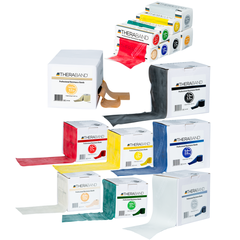
One practical option is elastic resistance exercise. Resistance bands can provide a convenient way to strengthen at home without requiring large exercise machines.
The THERABAND Professional Latex Resistance Bands are one example of a versatile exercise tool that can be incorporated into an individualized home or clinical exercise program. Your rehabilitation practitioner can show you which resistance level, exercises, repetitions, and progression are appropriate for you.
Remember: exercise is not one-size-fits-all. The right amount and type of exercise for you may be different from what works for someone else.
Make Movement Part of Your Everyday Life
Exercise does not have to happen only during a scheduled workout.
Healthy aging also happens through incidental movement—the physical activity integrated into your normal day. Walk around your home. Garden. Prepare a meal. Fold laundry. Take the stairs when appropriate. Walk to visit a neighbor. Dance to your favorite music. Play with your grandchildren. These everyday activities can provide opportunities to move while keeping you connected to the routines and people you value.
Your activities of daily living (ADLs)—bathing, dressing, toileting, grooming, eating, and moving around your home—are also opportunities to maintain functional skills. Instrumental ADLs (IADLs), such as cooking, shopping, medication management, and household tasks, provide additional opportunities for meaningful participation.
If a task has become difficult, don't automatically stop doing it. Instead, talk with your rehabilitation practitioner about how the activity can be modified so you can continue participating safely.
Use the Right Tools to Stay Independent
Here's something I want every client to understand: using adaptive equipment is not giving up your independence. It can actually help you preserve it.
If walking has become less steady, a cane or rollator may allow you to continue walking rather than becoming increasingly sedentary. If reaching into a lower cabinet has become difficult, a reacher can help you complete the task without unnecessary bending or loss of balance.
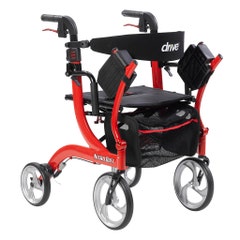
The NITRO Duet Rollator and Transport Chair is an example of equipment that can provide both mobility support and flexibility when walking longer distances becomes challenging. A device such as this can allow you to remain active while providing another transportation option when you need to conserve energy.
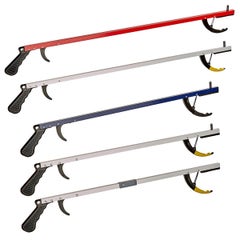
A Sammons Preston Reacher can similarly make everyday tasks easier by extending your reach and reducing the need to bend, stretch, or climb.
Other adaptive solutions can support dressing, bathing, toileting, cooking, and other household activities. The goal isn't to make you dependent on equipment. The goal is to use the right tool to help you remain as independent as possible.
Your rehabilitation practitioner can help determine whether an assistive device or adaptive strategy is appropriate and teach you how to use it safely.
Don't Forget Your Mind
Healthy aging involves more than physical function. Cognitive health and participation in mentally stimulating activities are also important components of maintaining independence. Activities that require attention, problem-solving, planning, memory, and social interaction can help keep you engaged. That might mean reading, playing cards, completing a puzzle, learning something new, having a conversation with a friend, preparing a new recipe, or participating in a favorite hobby.
The same principle applies to your daily routines. If you are having difficulty managing medications, finances, appointments, meals, or household responsibilities, let your healthcare team know. Changes in these activities can provide important information about your overall functional health and may indicate that additional strategies or support could help.
Rehabilitation practitioners can consider both cognitive and physical factors when developing an individualized plan that supports your independence.
Stay Active. Stay Independent. Stay You.
Healthy aging isn't about eliminating every challenge that comes with getting older. It is about identifying what matters to you and finding ways to keep doing it. Walk when you can. Exercise your strength and balance. Keep your mind engaged. Participate in your daily routines. Stay connected with the people and activities that bring you joy.
When a tool can make something safer or easier, use it. Whether that means a resistance band for strengthening, a rollator for mobility, a reacher for household tasks, or an appropriate rehabilitation modality to support comfort and function, these tools can help you stay engaged in the activities that define your life.
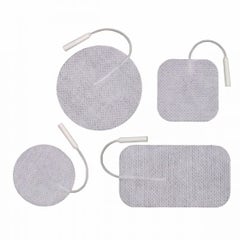
Modalities may also have a role in an individualized rehabilitation program. Products such as the PERFORMA Reusable Cloth/Foam Electrodes can be used with appropriate electrical stimulation equipment when prescribed and instructed by a qualified healthcare professional. Proper electrode placement, device settings, skin assessment, and cleaning procedures are important, so follow your practitioner's specific instructions rather than attempting to determine treatment parameters on your own.
Ultimately, healthy aging tips can be simple: keep moving, keep participating, keep learning, and don't be afraid to ask for help. The goal of healthy aging isn't simply to add years to your life. It is to help you maintain the capacity to enjoy those years—to walk, move, work around your home, pursue your interests, connect with others, and participate in the activities that make you who you are.
Stay active. Stay independent. Stay you.
Recommended Products



References
- Derakhshanrad, S. A., & Ghoochani, B. Z. (2026). Healthy aging: Interaction of cognition, lifestyle, and instrumental activities of daily living. Occupational Therapy Journal of Research, 46(1), 129-138.
- Izquierdo M., De Souto Barreto, P., Arai, H., Bischoff-Ferrari, H. A., Cadore, E. L., Cesari, M., Chen, L-K., Coen, P. M., Courneya, K. S., Duque, G., Ferrucci, L., Fielding, R. A., Garcia-Hermoso, A., Gutierrez-Robledo, L. M., Harridge, S. D. R., Kirk, B., Kritchevsky, S., Landi, F., Lazarus, N., … Singh, M. A. F. (2025). Global consensus on optimal exercise recommendations for enhancing healthy longevity in older adults (ICFSR). The Journal of Nutrition, Health, and Aging, 29, 100401.
- Yamauchi, T., Islam, M. M., Koizumi, D., Rogers, M. E., Rogers, N. L., & Takeshima, N. (2005). Effect of home-based well-rounded exercise in community-dwelling older adults. Journal of Sports Science & Medicine, 4, 563-571.
- Yang, H., Li, J., Shan, W., Ren, S., Chai, X., Lu, J., Yan, H., & Lu, Y. (2025). The effect of different exercise modalities on older adults’ quality of life: An assessor-blinded randomized controlled trial. Scientific Reports,15, 26177.
Medical Disclaimer: The information provided on this site, including text, graphics, images, and other material are for informational purposes only and are not intended to substitute for professional medical advice, diagnosis, or treatment. Always seek the advice of your physician or other healthcare professional with any questions or concerns you may have regarding your condition.