






 Canada
 UK
UK France
 Australia
Learning you have dementia can be overwhelming and even a bit scary. You might have been diagnosed with Alzheimer’s Disease, a specific form of dementia. Both Alzheimer’s and general dementia cause memory loss and other problems, but you can make changes to live independently and safely in the early stages and begin planning for later.
Caring for Yourself
Nutrition and Exercise
Taking care of yourself and living a healthier life can help you focus your energy on what’s most important to you. A balanced diet should include low-fat protein foods and plenty of fruits and vegetables. This helps you maintain a healthy weight and prevents malnutrition. Regular exercise may benefit brain cells by increasing blood and oxygen flow to the brain. Resistance bands offer a full body workout that you can do at home. Make sure you get enough sleep, keep up with doctor appointments, and consider joining a support group.
Mental Exercises
It is also important to remain mentally and socially active. Try to engage in as much mental activity as possible as it is believed to slow the progress of some types of dementia. Puzzles, games, crosswords, reading, safe hobbies and crafts are good choices. Social interaction is stimulating and usually enjoyable for most people with dementia. Take advantage of your local community centers or senior centers for scheduled parties and clubs that are suitable for those with dementia.
Safety at Home
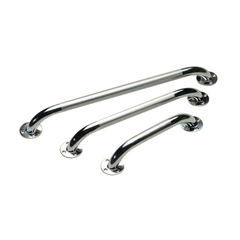
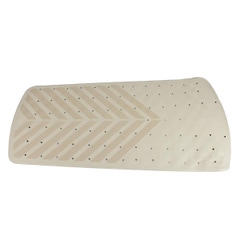
If you are able to stay at home or keep some degree of independent living, maintaining a safe and familiar environment is important. Minor modifications to the home may be needed to prevent falls and accidents. Get rid of rugs to avoid tripping. In the bathroom, put grab bars in the shower and non-slip mats in the tub. These are easy fixes and important steps in making your environment safe. A care partner (or caregiver) may need to assess your safety and independence status occasionally and make the necessary changes in order to keep you safe.
Tools to Help with Memory Loss
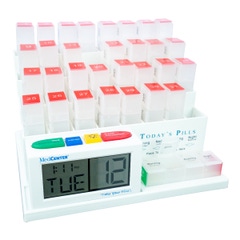
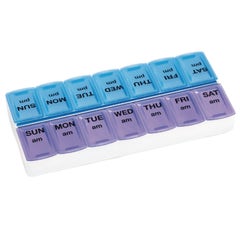
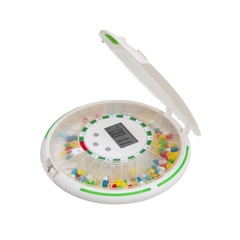
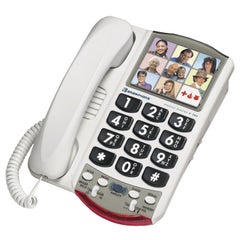
Clocks are an important device to help keep track of dates and times. There are some clocks that provide the time, date, and weather. Use large print wall calendars to help you keep track of dates, appointments and special occasions. Sticky notes can act as reminders. For example, you might use one to leave a note reminding you to turn off your appliances. A pillbox organizer can prevent confusion and ensure you are taking the right medications at the right time. If you need one with additional features, try this lockable organizer. It has a buzzer that will alarm to remind you when it’s time for your pills. It also ensures that you are not taking pills over and over again. If you have difficulty remembering phone numbers, a picture phone can be programmed so you only have to press the picture to call the important people in your life.
Preparing for Middle to Late Stage Dementia
As your dementia progresses, it may reduce your ability to make decisions. Your family and friends might have fears or concerns about how you make decisions or perform certain tasks. It can be hard to hear, but it's important to listen to their observations. You might not be able to recognize the problems with your self-care or daily living choices. Unfortunately, dementia will limit your insights into your actions and what you can do safely.
Support from Others
Friends and family can minimize stress and feelings of being overwhelmed. Having a well thought out plan will keep your family from scrambling to find help in an emergency situation. Consider having someone help you with housekeeping, meal preparation, or transportation. Ask a family member to help you sort out closets and dresser drawers to make it easier to choose what to wear. You can leave yourself written reminders to turn off the stove or unplug an appliance where you can see them. Brainstorm with friends to see if there are any other reminders you should post. It’s good to plan ahead and write down your address and people to contact in an emergency and post it by the phone. Consider talking to your bank about setting up direct deposit for your social security or pension checks and setting up automatic payments for your bills. If something is too difficult, take a break or ask someone for help.
Later Difficulties and Symptoms
As your dementia progresses and you can no longer safely manage on your own, you should consider a full time care partner or an assisted living facility. Most likely you will need someone to help you carry out daily activities like dressing and bathing. You may start to forget names of close family members and have little memory of recent events.
During this time you may experience a few of these common symptoms:
- Loss of bladder and bowel control
- Decline in the ability to speak
- Changes in mood or personality
- Difficulty walking or sitting
Exercise
Exercise is encouraged and can be beneficial even in the later stages of dementia. Staying mobile can help maintain muscle strength and joint flexibility and also reduce the need for constant supervision from a care partner. To help with balance and posture, which is important when showering or washing up, practice standing while using a counter or chair for support. Another easy exercise is sitting unsupported for a few minutes each day. It will help strengthen the stomach and back muscles used to support posture. In your bedroom, try shuffling along the edge of the bed in the sitting position from one end to the other to exercise the muscles needed for standing up. Stand up and move about regularly to help keep your leg muscles strong and maintain good balance.
A diagnosis of dementia is life changing and can leave you feeling disconnected or isolated from others or even abandoned. However, as you now know, there are several steps you can take during the early stage of dementia to cope with the changes ahead. Educating yourself about your disease can provide you with the confidence to make important decisions when choosing how to live your life and plan for your future.
Products From This Article




Medical Disclaimer: The information provided on this site, including text, graphics, images and other material, are for informational purposes only and are not intended to substitute for professional medical advice, diagnosis or treatment. Always seek the advice of your physician or other healthcare professional with any questions or concerns you may have regarding your condition.