





 Canada
 UK
UK France
 Australia
Monofilaments are simple, non-invasive diagnostic tools used to help assess sensory perception and peripheral nerve function. In clinical settings, they are commonly used during diabetic foot screenings to help identify loss of protective sensation, a key risk factor for foot ulcers, and other complications.
Because monofilaments are designed to bend at a specific calibrated force, they help clinicians apply consistent pressure during sensory testing. This makes them a practical option for routine screening, ongoing monitoring, and documentation of sensory changes over time.
What Is a Monofilament?
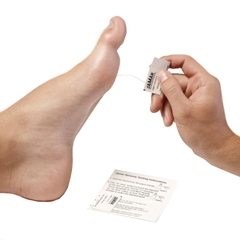
A monofilament is a thin, flexible testing instrument that delivers a controlled amount of pressure to the skin. During testing, the clinician presses the monofilament against specific areas until it bends. The patient’s ability to feel that pressure helps indicate whether protective sensation is intact.
One of the most common options used in diabetic foot screening is the 5.07 monofilament, which is associated with 10-gram testing. This level of testing is widely used to help screen for loss of protective sensation in the feet.
Why Sensory Testing Matters
Peripheral neuropathy can reduce a patient’s ability to feel pressure, pain, or injury. When protective sensation is diminished, minor cuts, pressure points, or wounds may go unnoticed and progress into more serious complications. Routine monofilament testing gives clinicians a quick way to screen for sensory changes that may increase risk.
For patients with diabetes, identifying loss of protective sensation can support earlier intervention, patient education, footwear recommendations, wound prevention strategies, and referrals when needed.
Who Uses Monofilaments?
Monofilaments are used across a range of clinical specialties that evaluate sensation, nerve function, wound risk, and recovery. Common users include:
- Podiatrists and endocrinologists: Frequently use disposable monofilaments during routine diabetic foot screenings to help identify loss of protective sensation.
- Primary care physicians: May use monofilaments during annual visits for patients with diabetes, hypertension, or other risk factors for peripheral neuropathy.
- Neurologists: Use sensory testing as part of a broader neurological exam to help evaluate different types of sensory deficits.
- Wound care specialists: Assess sensation around healing ulcers, surgical sites, or areas at risk for recurrence.
- Rehabilitation specialists: Use monofilaments to help quantify sensory return after nerve injury, burns, skin grafts, or reconstructive procedures.
Common Clinical Applications
While monofilaments are often associated with diabetic foot screenings, they can support several types of sensory assessment. Clinicians may use them to:
- Screen for loss of protective sensation in patients with diabetes
- Monitor changes in peripheral sensation over time
- Evaluate sensation around wounds, ulcers, or surgical sites
- Support neurological exams that assess sensory deficits
- Track sensory recovery after burns, grafts, or nerve-related injuries
Disposable Monofilaments and Infection Control
Disposable monofilaments are designed for single-patient use, which can help support infection control protocols in busy clinical environments. For facilities that perform routine screenings, a disposable format also supports standardized testing across providers and care locations.
In addition to clinical consistency, disposable options may help facilities manage supply needs, reduce reprocessing concerns, and make it easier to ship screening tools directly to the point of care.
Product Considerations for Healthcare Facilities
When evaluating monofilaments for clinical use, healthcare organizations often consider both clinical and operational factors. Key considerations may include:
- Reliable 10-gram testing: Supports consistent sensory screening for loss of protective sensation.
- Single-use design: Helps support infection control practices.
- Cost savings: May support value analysis initiatives and standardization across facilities.
- Reliable supply: Helps teams maintain inventory for routine screening programs.
- Point-of-care availability: Makes it easier to keep monofilaments accessible where screenings are performed.
Performance Health Disposable Monofilament Options
Performance Health offers disposable 5.07 monofilament options designed to support lower extremity screening and loss of protective sensation programs. Available options include:
- Disposable LEAP 5.07, 20/PK: Designed for lower extremity amputation prevention program screening.
- Disposable LOPS 5.07, 20/PK: Designed for loss of protective sensation program screening.
For Vizient group purchasing organization members, select disposable monofilament options are also available through the Novaplus private-label portfolio.
Supporting Safer, More Consistent Sensory Screening
Monofilament testing is a practical, non-invasive way to support sensory assessment across diabetic foot screening, wound care, neurology, and rehabilitation settings. By helping clinicians identify loss of protective sensation and monitor sensory changes, monofilaments play an important role in preventive care and patient safety.
Explore disposable monofilament options from Performance Health to support consistent, point-of-care sensory testing in your facility.

This article was written with the help of AI.
Medical Disclaimer: The information provided on this site, including text, graphics, images, and other material are for informational purposes only and are not intended to substitute for professional medical advice, diagnosis, or treatment. Always seek the advice of your physician or other healthcare professional with any questions or concerns you may have regarding your condition.