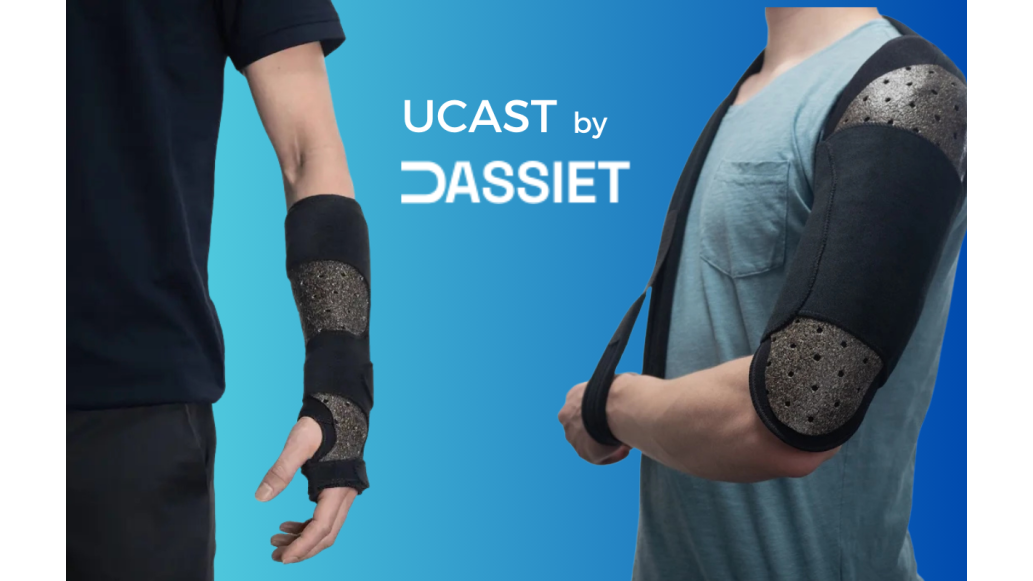
Dassiet’s UCAST product is emerging as a game-changer in the field of splinting, offering an innovative and sustainable solution for both therapists and patients. UCAST represents a significant shift from traditional thermoplastic materials, providing a zero-waste alternative that aligns with the growing focus on environmental responsibility.
For many individuals, mealtime is more than just an opportunity to nourish the body; it is a deeply social and emotional experience. Sitting at the table, sharing a meal, and engaging in conversation fosters a sense of connection and community. However, for clients living with conditions such as Parkinson’s disease, muscular dystrophy, and other movement impairments, the act of eating can be fraught with frustration, embarrassment, and even isolation.
As a physical therapist, you play a pivotal role in protecting your patients from falls—the leading cause of injury among older adults. With over 36 million falls annually in the United States resulting in more than 32,000 deaths, addressing this issue is both a professional responsibility and an opportunity to improve patient outcomes. This guide offers actionable insights into prevention strategies, patient care tips, and tools to empower your practice.
February 1-7 has been designated as Patient Recognition Week. This is an annual opportunity to pamper your patients and show them just how much their loyalty to your clinic is appreciated. Discover 10 ways to recognize and appreciate your patients!
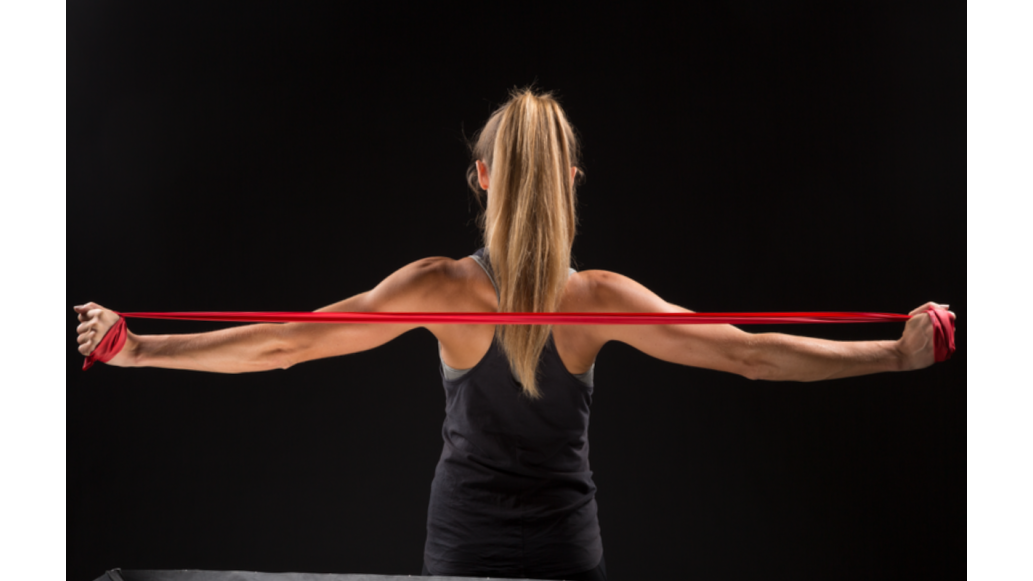
The benefits of resistance training have been well known in scientific circles, the health care industry and the public for a very long time. The rigors of daily life and aging demonstrate the requirements of great strength and muscular endurance that are necessary to participate in our desired occupations.
Home Exercise Programs and Remote Therapeutic Monitoring are easiest when you have the best equipment. Whether you're the clinician assigning the program or the patient looking for the items you need, you can find all the trusted solutions here to enable the journey to recovery.
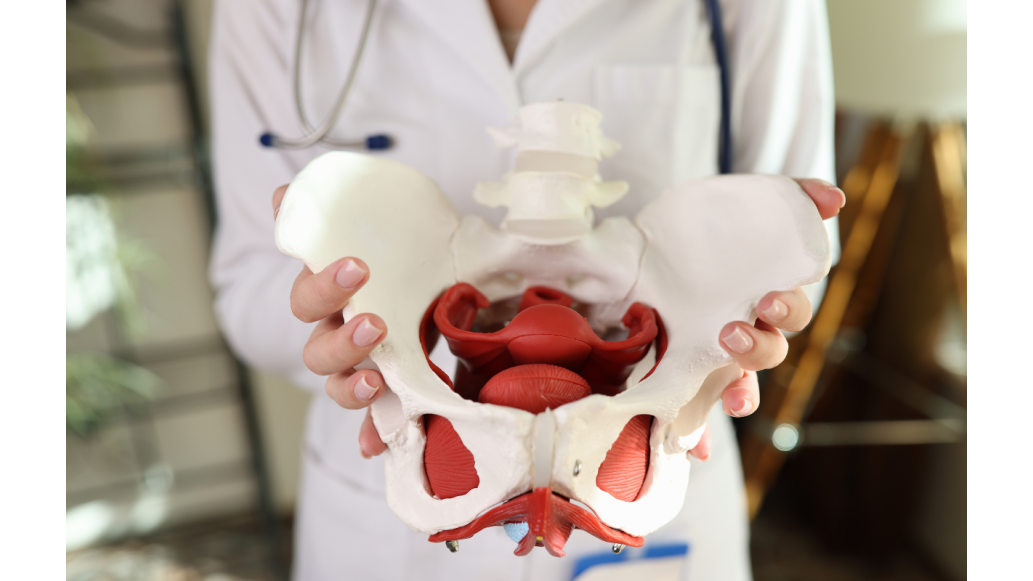
Both pelvic floor physical therapy and dry needling have reached fever pitch in the media as well as in the blogosphere. Both are important in that they are changing the way that we treat and manage a variety of conditions that we have yet to have good answers for.
Join our webinar featuring Nicola Goldsmith, MSc, SROT. Most thermoplastic splints are made on the volar surface of the fingers, hand, wrist and forearm. In this webinar, we will explore some of the clinical and biological reasons for splinting on the dorsal surface. This will include rationale such as leaving the sensate area of a finger free, preventing pressure on wounds, and good lever arms for contracture. Conditions which will be discussed include mallet injury, post Dupuytren’s surgery and PIPJ contractures.






 Canada
 UK
UK France
 Australia