





 Canada
 UK
UK France
 Australia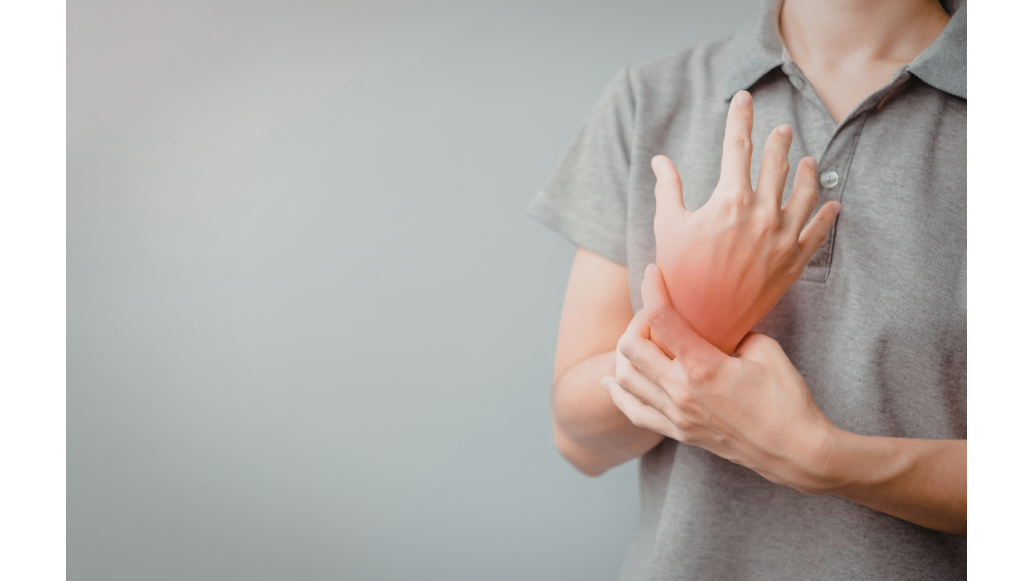
It’s the first question a therapist asks – how did your injury happen? Then you hear the dreaded answer – “I don’t know.” They haven’t done anything new, changed their routines, or had anything significant happen. If we dig deeper, we often find they are performing movements over and over in suboptimal ways.
Microtraumas from repetitive movement can be as painful and debilitating as larger traumatic injuries. We commonly see patients come in with overuse injuries from sports related activities. The weather turns nicer and suddenly there is an uptick in tennis elbow. Spring baseball season starts and your caseload is full of high school baseball players. And there is always at least one or two runners in your office.
Looking through a wider lens, we can see overuse injuries in more than just our athletic population. Our patients with repetitive movement patterns in their jobs such as factory workers or delivery drivers and even our new moms that are constantly picking up and holding a new baby can experience a seemingly insidious onset of pain. Is mom picking up the baby using more of her shoulder than her legs? Is our baseball player throwing a full pitch count with their trainer before throwing another full pitch count during practice? For physical therapists, understanding the mechanisms of injury, early identification, and evidence-based management strategies are essential to optimizing patient outcomes and reducing recurrence.
KEY TAKEAWAYS
- Overuse injuries can be seen in a wide spectrum of patient populations
- Pain control and gentle movement are key first steps to treatment
- Gradual strengthening and loading activities are paramount to returning patients to prior level of function
Recognizing Overuse Injuries
The first step to treating any injury is to recognize aggravating factors. Overuse injuries tend to develop gradually over time and contributing factors are often multifactorial including poor body mechanics, muscle imbalance, training errors and environmental factors. They can look like tendinopathies, stress factors, and general pain with specific movements and are often characterized by point tenderness and potential inflammation. Subjective interviewing is key to uncovering the origin and onset of a patient’s pain.
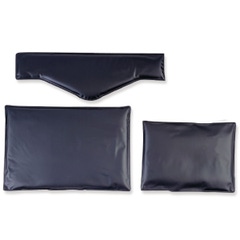
Once we have an idea of what a patient’s training schedule, work environment, and general day-to-day activity looks like, we can start to connect to dots to see the bigger picture of what could be causing the pain and begin formulating a plan. Utilizing Sammons Preston Cold Packs can start helping decrease discomfort and potential inflammation on that very first PT visit. Once we are able to start decreasing their pain, we can then start to look at next steps to further improve symptoms and keep them from returning.
Treatment and Prevention
Treating overuse injuries can be a complex journey with pain management being a key first step. Once pain is managed, focusing on friendly, pain-free movement is the next goal. While rest seems like a logical solution to the problem, we want to facilitate movement to maintain mobility and bring a healthy blood flow to the affected muscle to assist with tissue healing. Encouraging movement without causing an increase in pain in these folks can be a tricky balancing act.
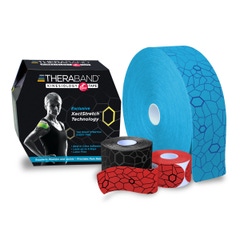
Applying THERABAND Kinesiology tape around the affected area can be a useful tool for both pain relief and light support without limiting movement. With an initial focus on gentle stretching.
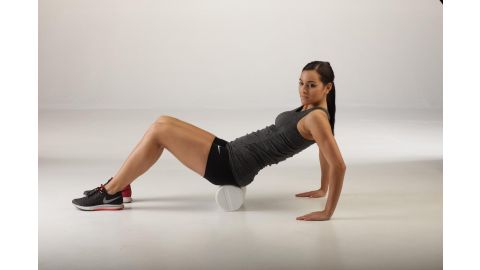
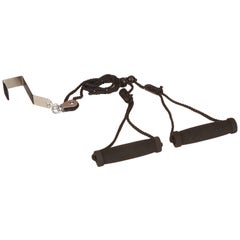
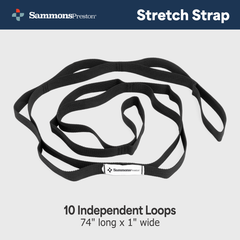
Rolyan Reach N Range Pulleys can assist with upper body movement and posture. A Stretch Strap is another versatile piece of equipment that is easily used both in clinic and for home exercises and can be utilized in a variety of ways to stretch all parts of the body. Focusing on optimizing muscle length and postural re-education will start to put our patients in a space conducive to healing while setting them up for appropriate activity progression.
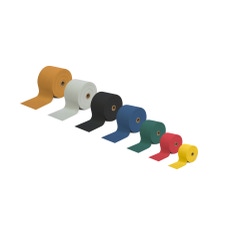
As symptoms improve, we aim to gradually introduce loading strategies that support a safe return to full function. Using THERABAND Professional Resistance Bands, patients can begin with lower resistance strengthening activities and progressively increase intensity to return to their previous level of function. These can be used to improve both upper body and lower body strength and endurance.
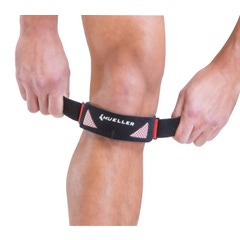
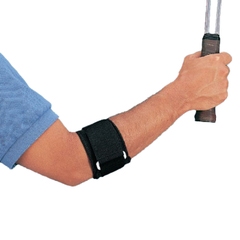
Education on proper body mechanics and technique can be greatly impactful to our patients’ ability to resume their normal activities safely and without discomfort. Incorporating external support such as a Mueller Advance Patella Strap or a Neoprene Tennis Elbow Band can bridge the gap between discharging from their in-clinic sessions and getting them back into the regular schedule of life.
Recap
Overuse injuries can be a literal and figurative pain in the shoulder, knee, wrist, ankle, and butt. Managing pain and setting patients up with a program that lets them manage pain and gradually increase their strengthening and loaded activities is paramount to improving symptoms. Education on posture, training schedule, and environmental factors such as proper footwear can put your patients on the road to recovery. A global focus on the entire body is essential, and utilizing and maintaining proper body mechanics and form paired with dynamic exercise and the right type of support can improve symptoms of overuse injury and help prevent symptoms returning in the future.
Products in This Article





Medical Disclaimer: The information provided on this site, including text, graphics, images, and other material are for informational purposes only and are not intended to substitute for professional medical advice, diagnosis, or treatment. Always seek the advice of your physician or other healthcare professional with any questions or concerns you may have regarding your condition.