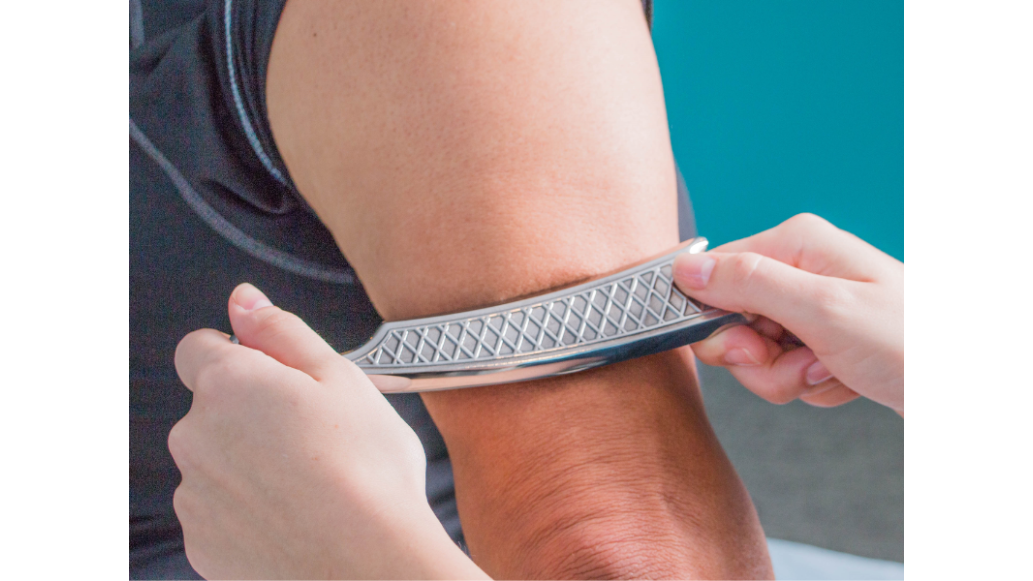
Tennis Elbow affects approximately 3% of the population, but its far-reaching impact extends to daily activities and quality of life. This article dives into understanding the condition, the promising role of Instrument Assisted Soft Tissue Mobilization (IASTM) in treatment.
Recovery services are common practice in sports medicine, and now they’re making their way into the physical therapy industry. They’re a great way to expand your practice and better support your patients – plus, they offer financial benefits for your clinic. Read more to learn about how you can integrate recovery services into your clinic!
As temperatures rise, people gravitate toward spending more time outdoors. While it is great to get Vitamin D, it can also cause an increased risk for injuries. Prepare for common summer injuries that might cause you to see new patients this summer.
Blisters are a painful and annoying problem that affect a variety of athletes from runners to weightlifters. Properly fitting shoes and blister protection can help prevent future blisters. Learn how athletes can treat and prevent blisters.
Lower back pain affects the lower portion of the spine and is most often caused by muscle strain. It has been observed that a large majority of rowing athletes experience lower back pain because of the sport. The exercises and techniques in this article are designed to help alleviate back pain in rowing athletes.
Gymnasts are among the most athletic people in the world. They must develop lean muscle tone to hold their own body weight in inverted positions and to maintain control of the body during complicated skills such as floor exercises and maneuvers on the beam and bars. More than just tumbling and jumping, gymnasts must also be able to maintain high levels of activity for extended periods.







 Canada
 UK
UK France
 Australia